O‘ahu Fresh

  • Sign Up
  • This Week’s Newsletter
  • Member Login
  • How It Works
    • Produce Bag Options
    • Delivery Areas
    • Online Marketplace
    • Wholesale
    • FAQs
    • Gift Certificates
  • Producers
  • This Week’s Bag
    • Cooking In Quarantine
    • Recipes
    • Ingredients
    • Latest Newsletter
  • About Us
    • Oahu Food Hub
  • Local Agriculture
    • Resources for Farmers
    • Hawaii Food & Farmers Series

Clementine

Clementines are small, sweet, thin-skinned, typically seed-less little cousins of the common orange. A cross between mandarin orange an a sweet orange, they’re less acidic and typically much juicer than oranges, too. They’ve been cultivated in North American since the early 20th Century, after having been “invented” by a Frenchman named Clément living in Algeria in 1902.

Clementines offer a variety of vital nutrients including minerals such as calcium, magnesium, potassium and phosphorous. They’re an incredible source of Vitamin C as well as folate, and offer a good source of dietary fiber. They’re said to be great for your skin, brain health, immunity, digestion and cardiovascular health. Clementine oil is also popular in aromatherapy and massage for its pain relieving and rejuvenating qualities, stress reduction and promotion of better sleep.

Preparation
The best way to enjoy a clementine is to eat it fresh, straight out of the peel! Peels just like an orange. Slicing the pockets in halves or thirds is also a great option for fresh salads or as topping for a parfait. Store in the refrigerator if you plan to keep them longer than 2-3 days.

Farms that Grow Clementine
Kama’aina Land Nursery 

Longan

Longan, the juicy white edible fruit of the tropical longan tree, is also sometimes referred to as “dragon eye” and is comparable to a grape. Like the lychee, it’s part of the soapberry family, though it’s flavor has a drier sweetness and is typically a little less messy with it’s juiciness than the lychee. It’s earliest known existence dates back to the Han Dynasty in China, around 200 B.C.

Longans is a rich source of Vitamin C, Vitamin A and anti-oxidants. It also provides the minerals iron, phosphorus, magnesium and potassium.

Apart from being eaten fresh and raw, longan fruit is also often used in Asian soups, snacks, desserts, and sweet-and-sour foods, either fresh or dried, and sometimes preserved and canned in syrup. In Chinese food therapy and herbal medicine, it is believed to have an effect on relaxation.[12] When fresh, the flesh of the fruit is juicy and white, but when dried the flesh appears dark brown to almost black.

Preparation

Peel the skin and eat the white flesh around the seed.The seed and the shell are not consumed. When the shell is dried, it’s easy to squeeze the fruit out in a manner similar to cracking a sunflower seed. Longons keep well, offering perhaps better-than-fresh quality after a few weeks of storage.

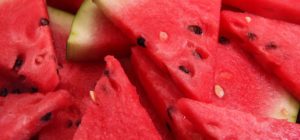
Watermelon

We all know that there is nothing more refreshing than a big, chilled wedge of watermelon on a hot, summer day. But more than being a refreshing treat, watermelon is a rich source of nutrients, vitamins, minerals, and organic compounds. These include significant amounts of vitamin C, calcium, magnesium, fiber, protein, and a very large amount of potassium. Furthermore, they contain vitamin A, vitamin B6, niacin, thiamin, and a wide variety of carotenoids and phytonutrients, including lycopene!

Preparation
Wash, cut and eat! Try cutting watermelon it in half, then into slices. You can also remove the peel and add the sliced fruit to salsas or salads.

Farms that Grow Watermelon
Aloun Farms

Pomelo

The beautiful pomelo – one of the core four citrus species that the citrus taxonomy was developed from – is most commonly compared to the grapefruit, though it’s typically larger and more mild and sweet in flavor. You’ll find the meat range from pale green or yellow to a sweet pink in color. There are two types of varieties – the pinker the flesh, the more sour the flavor.

Wikipedia describes some cultural uses of the flesh and rind: The peel is sometimes used to make marmalade, can be candied, and is sometimes dipped in chocolate. In Brazil, the thick skin is often used for making a sweet conserve, while the spongy pith of the rind is discarded. In Sri Lanka, it is often eaten as a dessert, either raw or sprinkled with sugar. Occasionally some Asian fat-heavy dishes use sliced pre-soaked pith to absorb the sauce and fat for eating.


Preparation
Wash, cut and eat! Similar to grapefruit, try cutting it in half, adding a little salt or sugar and scooping the fruit out with a spoon. You can also remove the peel and add the sliced fruit to salsas or salads.

Farms that Grow Pomelo
Kahumana Organic Farm and Cafe

Taro Chunks (Cooked)

Taro can be a challenging to prepare so we’ve done the work for you!  The Hawaiian root crop has been steamed, peeled and cut in to cubes, making it ready to eat!

  • « Previous Page
  • 1
  • …
  • 11
  • 12
  • 13
  • 14
  • 15
  • …
  • 29
  • Next Page »
  • Sign Up
  • This Week’s Newsletter
  • Member Login

Our Mission

Oahu Fresh provides access to food from local farms for homes, offices, restaurants, hotels, and schools throughout Hawaii. As an avid participant in the CSA Hawaii program, we take pride in delivering freshly grown produce to you.

Members

  • Place Your Weekly Order
  • Become A Member
  • Policies & Procedures
  • FAQs

Weekly Newsletter

Be the first to hear what's in each week's delivery. Learn what's new in local food.

OAHU FRESH

916 Kaaahi Place
Honolulu, HI 96817
(808) 476-7550
support@oahufresh.com
Contact Us

Customer Service Hours:                                      Mon – Fri | 9:00AM  – 5:00PM

  • Facebook
  • Instagram
  • Twitter

© 2026 Oahu Fresh | Design by Local Color Design