O‘ahu Fresh

  • Sign Up
  • This Week’s Newsletter
  • Member Login
  • How It Works
    • Produce Bag Options
    • Delivery Areas
    • Online Marketplace
    • Wholesale
    • FAQs
    • Gift Certificates
  • Producers
  • This Week’s Bag
    • Cooking In Quarantine
    • Recipes
    • Ingredients
    • Latest Newsletter
  • About Us
    • Oahu Food Hub
  • Local Agriculture
    • Resources for Farmers
    • Hawaii Food & Farmers Series

Local Farmers

May 3, 2010 by Oahu Fresh

Our mission is to make it easy to get great local food by rebuilding the connection between Honolulu and surrounding farms and farmers` markets. We are working with the wonderful farmers listed here and many more to increase the supply of fresh, local food. You can read more about them and how they farm the land to yield delicious harvests.

Ho Farms

Kahuku, O`ahu

Products: tomatoes, long beans, Japanese cucumbers, long squash, okra, long eggplant, string beans
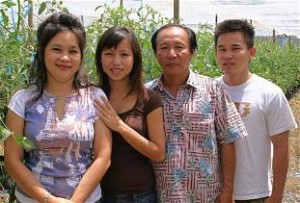
www.hofarms.com

ho farms

Pit Farms

Kahuku, O`ahu

Products: tomatoes, choy sum, pak choy, ong choy, Japanese cucumber, cosmic carrot, mango, daikon, radish, swiss chard, arugula, papaya, mint, sweet basil, Thai basil, green onion, parsley, Okinawan sweet potato, corn

Maunawili Greens

Kahalu`u, O`ahu

Products: hydroponic lettuces: romaine, curly leaf, butter, green leaf, oak leaf
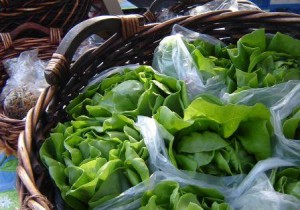
MAUNAWILI GREENS

Sea Mountain Coffee

Ka`u, Hawai`i Island

Products: coffee: whole bean and grind, medium and dark roast

Naked Cow Dairy

Waianae, O`ahu

Products: butter, cream cheese, feta cheese

www.nakedcowdairy.com

naked cow farm

Poamoho Organic Produce

Waialua, O`ahu

Products: organic avocado, mango, lemon, lime, orange, tangerine, lychee, longan, papaya, starfruit, apple banana, kaffir lime leaf, parsley, rosemary, breadfruit

www.poamoho-organic.com

Nalo Farms

Waimanalo, O`ahu

Founded in 1953, Nalo Farms has been a family farm for over half a century. Nestled at the feet of the majestic Ko’olau Mountains in Waimanalo, on the beautiful island of Oahu, the farm supplies fresh-cut, top-quality greens and herbs to Hawaii’s top restaurants’ chefs daily.

www.nalo-farms.com

Hau`ula Tomatoes

Hau`ula, O`ahu

The farm grows its tomatoes using hydroponic technology and equipment that dates back to the ’50s. Each morning, nutrient-rich water flushes the tomato beds, then the water is recycled and the nutrients replenished.

Filed Under: About Us

Produce

May 3, 2010 by Oahu Fresh

Specialty Items Items that you can purchase to add to your market bag.

Information on and pictures of the produce, fruits, and vegetables that will be in your market bag.

Fruit

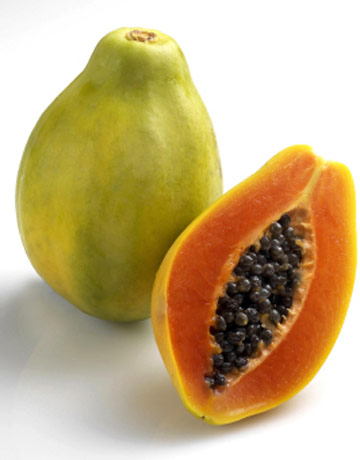
Papaya: There are a wide variety of papayas grown and available in Hawaii. Papayas are high in fiber and anti oxidants such as beta carotene and vitamins C & E, as well as vitamins A & B, potassium, and calcium.

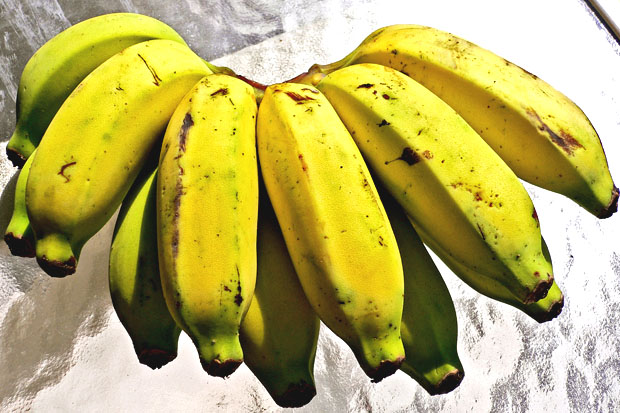
Apple Banana: Apple bananas are smaller and sweeter than a regular banana. They are high in vitamins and potassium and are easily used in smoothies, fruit salads, and bread.

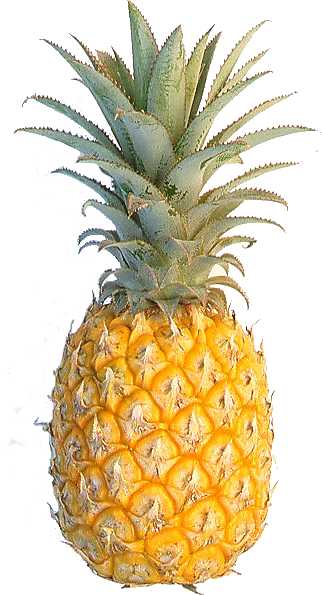
Pineapple: Although the exact date for the start of pineapple cultivation in Hawaii is in dispute, it is known that some experimentation in growing the fruit occurred in the early 1800s. In 1901 James Dole began growing pineapple commercially and incorporated the Hawaiian Pineapple Company. Since then it seems that pineapples have become the symbol of Hawaii’s tropical food market and although larger commercial businesses have left the state, there are still small scale growers of this iconic fruit.

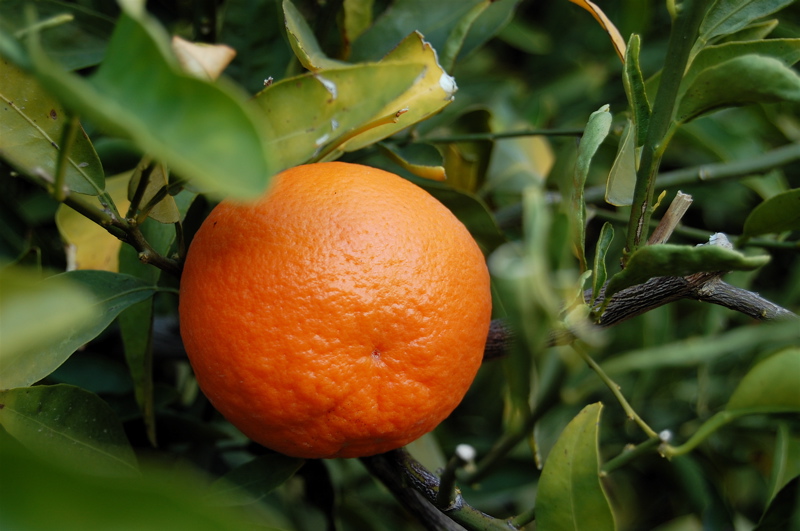
Tangerine: Tangerines are a citrus fruit, related to the Mandarin orange. They are smaller and sweeter than oranges and tend to peel more easily. They can be eaten peeled or in salads or desserts.

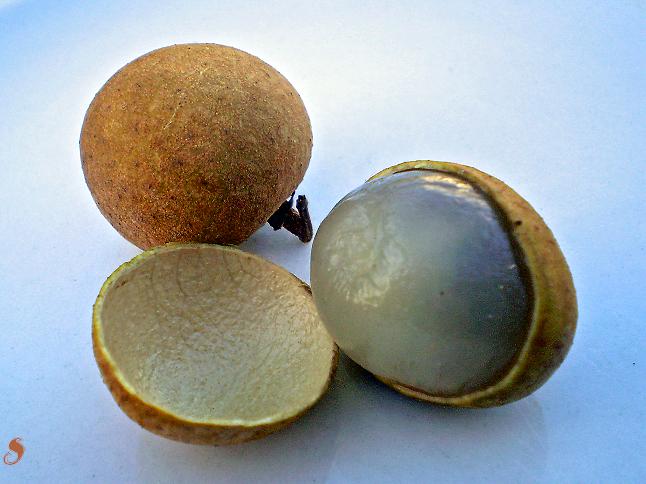
Longan (Dragon Eyes): Longan is a sweet fruit native to southern China. The fruit is peeled and the flesh around the seed is eaten. It is sweet and very good when chilled. Longan can be eaten fresh but may also be found canned in syrup. Longan is commonly called Dragon Eyes.

Greens

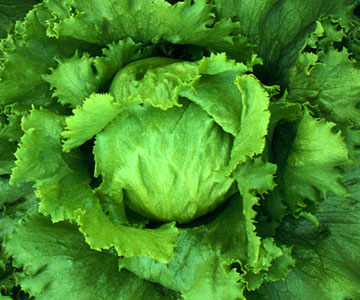
Lettuces: Lettuce is most often grown as a leaf vegetable, and is commonly eaten raw in salads or as an addition to sandwiches, tacos, & wraps. Lettuce can be divided into head or romaine lettuces; head lettuce includes butter, iceberg, and leaf varieties such as oak leaf. Romaine lettuce is also referred to as “Cos” and the leaves are much sturdier with a pronounced rib down the center. Lettuce is generally not tolerant of hot growing conditions (except for the Romaine types) and is harvested before it blooms, or “bolts”. Lettuce should be stored in the refrigerator and washed and dried before serving. A salad spinner or colander is a good way to dry the leaves without bruising them.

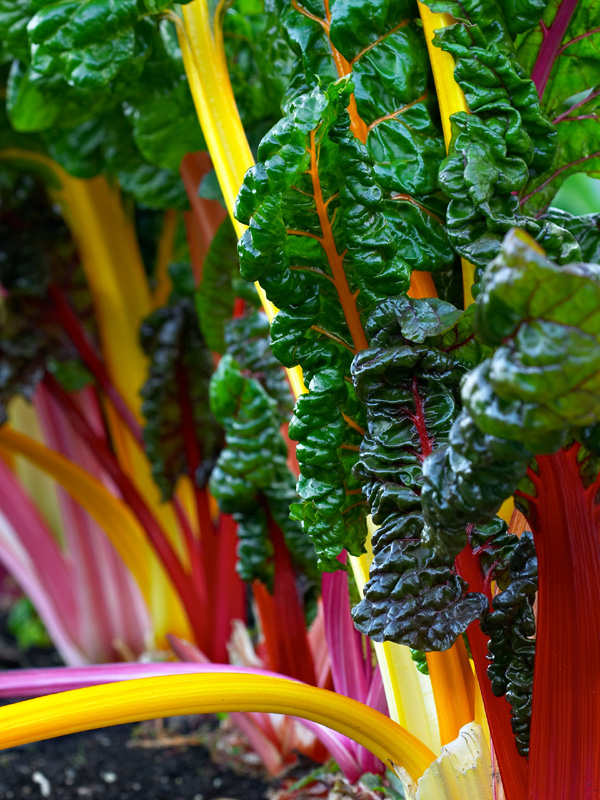
Swiss Chard: Chard is a large leaf with a slightly tough stem. It can be eaten raw when young or cooked when more mature. Ruby chard has red colored stalks but chard comes in many colors ranging from white to gold to orange. Store chard in a cool place & eat within a few days. It is a very good source of vitamins and minerals.

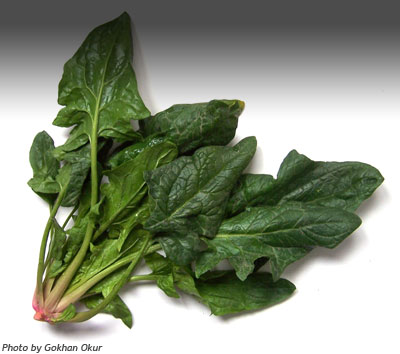
Spinach: One of the most popular greens available, spinach is an excellent source of many vitamins and minerals as well as calcium and iron. It grows year round and can be harvested as young or mature leaves. Spinach can be eaten raw or cooked. It should be stored in the refrigerator and eaten within a few days of harvest. Spinach needs to be washed well to remove sand and soil; a full sink of water to soak in then rinse works well, or a few spins in the salad spinner.

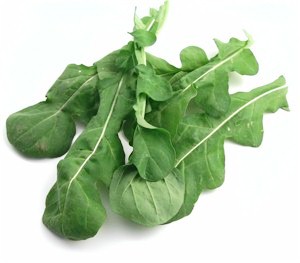
Arugula: Arugula is a spicy green also known as rocket. It is a popular addition to salads but also makes a great salad on it’s own, tossed with olive oil and balsamic vinegar and parmesan cheese. Arugula can be tossed with hot pasta or added to rice or risotto dishes towards the end of cooking.

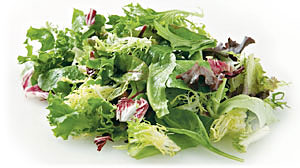
Spring Mix: Spring mix is a variety of salad lettuces and greens that vary in color, texture, and flavor. It is also commonly called mesclun, field greens, or spring salad. This mix is great on it’s own or can be added to other lettuces for a varied salad. It is also a convenient mix to add to wraps or sandwiches and with eggs for brunch.

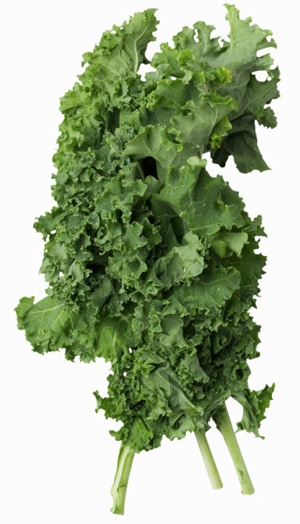
Kale: Kale is a member of the brassica family, which means that it is related to cabbage, broccoli, cauliflower, collard greens, and brussels sprouts. Kale is great in salads when young and tender, but can be cooked in many ways if you have larger older leaves. To prepare kale, wash it well and dry, then cut away the lower part of the stalk. Chop the leaves into bite size pieces.

Tatsoi: Tatsoi is an Asian green that is related to kale and brussel sprouts; it is a member of the brassica family and has a spicy flavor, similar to mustard greens but milder. It is often eaten raw in salads but can also be sauteed or steamed and also added to soups. It is high in many minerals and vitamins and low in calories.

Vegetables

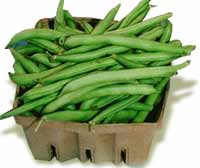
String Beans: String beans are called many names, from green beans to french beans to runner beans or snap beans. There are two major groups of green beans, bush beans and pole beans, which refers to the manner in which the beans are grown. Bush beans are grown with no support and are typically short plants producing the majority of the crop in a brief time period. Pole beans are much taller and need supports of some kind to wind around; they will produce for a longer time period than bush beans. Beans are eaten in many ways and are universal, almost every cuisine has adaptions for cooking them.

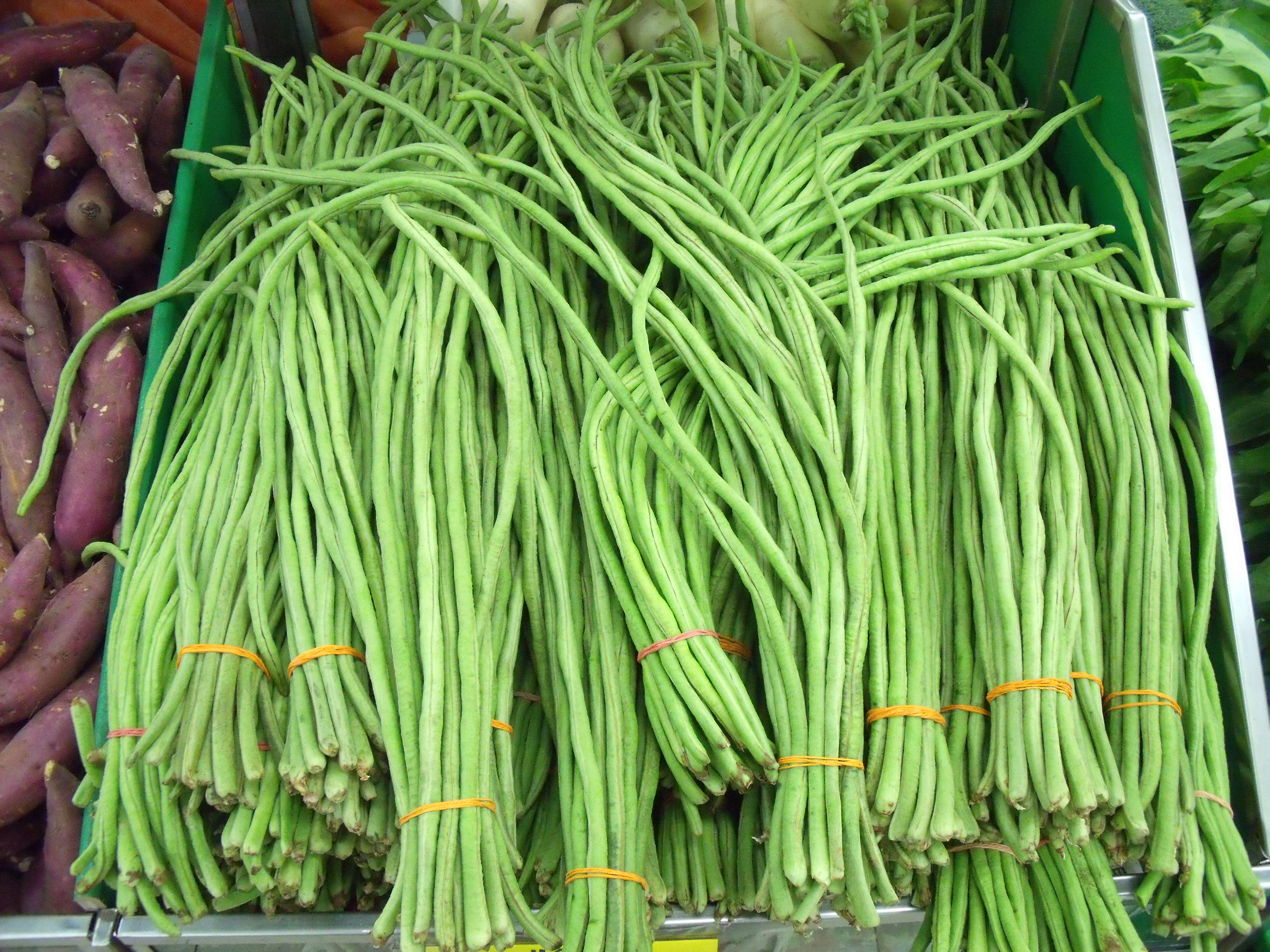
Long Beans: Similar in use to green beans, the long bean is of a different genus and is grown in sub tropical/tropical climates. It is common in Southeast Asia, Thailand, and parts of China. Long beans are also a good source of protein, vitamin A, and many minerals.

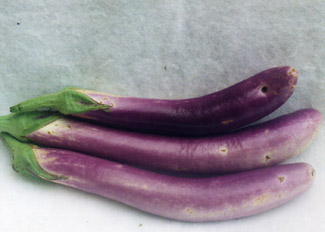
Long Eggplant: The raw fruit can have a somewhat bitter taste, but becomes tender when cooked and develops a rich, complex flavor. Salting and then rinsing the sliced fruit (known as “degorging”) can soften and remove much of the bitterness.

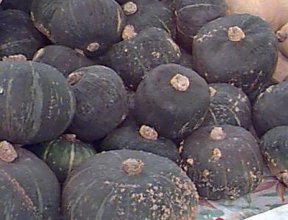
Kabocha Squash: A Japanese variety of winter squash, commonly called a Japanese pumpkin. It has an exceptional naturally sweet flavor, even sweeter than butternut squash. It is similar in texture and flavor to a pumpkin and a sweet potato combined. Like other squash-family members, it is commonly mixed in side dishes and soups or anywhere pumpkin, potato, or other squash would be. It is a common ingredient in vegetable tempura and can be made into soup. Kabocha is used in traditional Thai desserts and main courses.

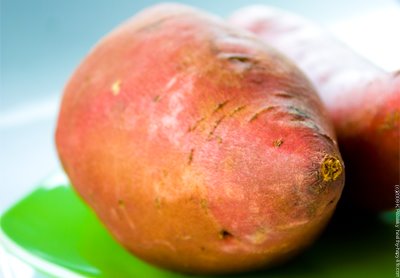
Molokai Sweet Potatoes: A starchy, sweet tasting tuberous root that has been an Hawaiian staple for generations.

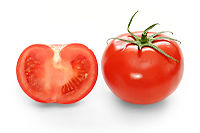
Tomato: A herbaceous, usually sprawling, plant in the nightshade family that is typically cultivated for its edible fruit. Savory in flavor, the fruit of most varieties ripens to a distinctive red color.

Japanese Cucumber: This vegetable is long and slender with a prickly skin distinguished by tiny white spines on a green background. Unlike the English cucumber, the Japanese variety has some seeds, though not as many as the common cucumber. Its flavor is mild and sweet. Refrigerate, tightly wrapped, for up to 1 week. Use as you would the common cucumber.

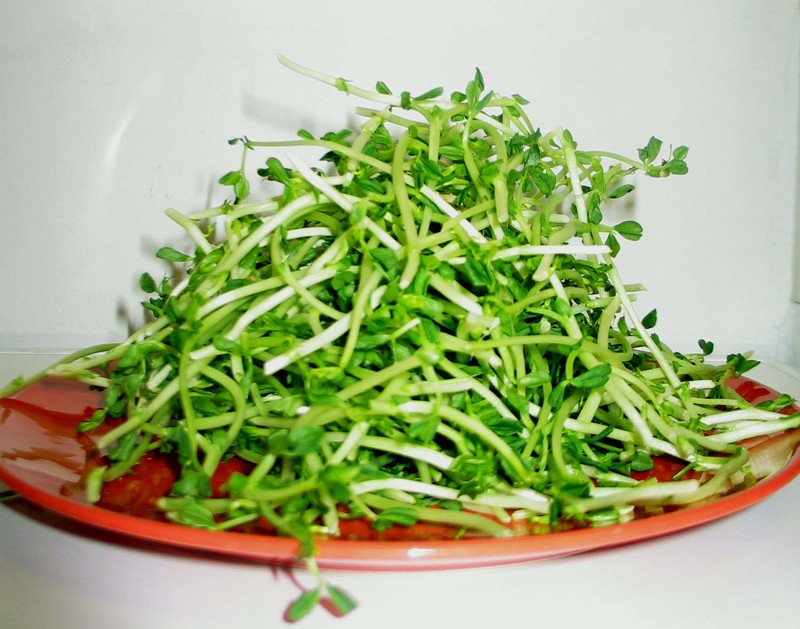
Pea Sprouts: Pea shoots are the choice leaves and tendrils of pea plants. Shoots are typically harvested from snow pea vines, although they can be from any type of garden pea. These are available in spring and occasionally early fall; they are tender and fragile and should be used very soon after purchase. They can be added to salads raw or stir fried and added to soups or eaten on their own. They are low in calories but high in vitamins and carotenes.

Herbs & Garnishes

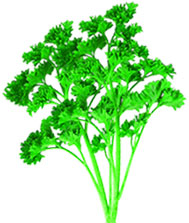
Parsley: Parsley is a bright, green biennial herb, often used as a spice. Many dishes are served with fresh green chopped parsley sprinkled on top. Green parsley is often used as a garnish. The fresh flavor of the green parsley goes extremely well with potato dishes, with rice dishes, with fish, fried chicken, lamb or goose, steaks, meat or vegetable stews.

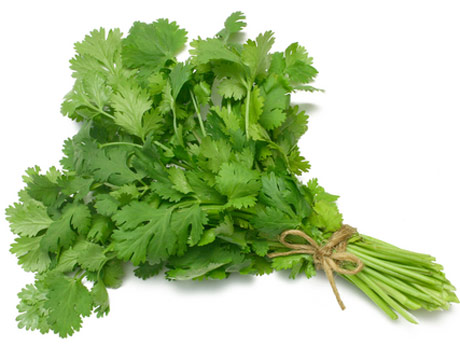
Cilantro: Cilantro is a popular herb in world cuisine and may be known by many different names, such as Chinese parsley, coriander greens, or cilantro (and various spellings of!). Almost the whole plant can be used and will be found in curries, salsas, pastes, and as toppings on salads, pizza, and roasted veggies. The seeds are the spice known as coriander.

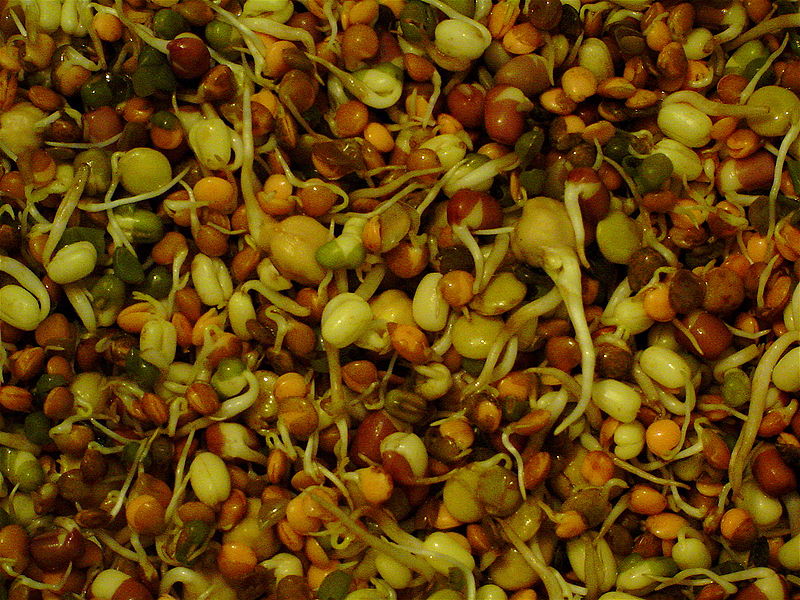
Sprouts: Seeds that have been soaked, drained and then rinsed at regular intervals until they germinate, or sprout. This can be a semi-automated or fully automated process when done on a large scale for commercial use.

Nutritional Information Vitamin, protein, carbohydrate, caloric, and fat data on the foods you’re eating.


Filed Under: About Us

Why Local?

May 3, 2010 by Oahu Fresh

Our mission is to make it easy to get great local food by rebuilding the connection between Honolulu and surrounding farms and farmers` markets. From growing the supply of food from small farms, to our business and delivery operations, we are committed to bringing you the freshest food in the most sustainable way.

Fresh Healthy Food

Food grown locally is picked at its peak of flavor because it can get to you quickly, unlike food that is shipped long distances and picked early for long shelf life. Not only is local food fresher and great tasting but its ripeness means it is packed with more vitamins and minerals for your good health. Being in tune with the land by eating local seasonal fare provides needed diversity in our diet and comfort from warming and cooling foods that match the seasons.

Support of Independent Farmers

When we buy local food, we are participating in the local economy and supporting the livelihoods of farm families and their local workers. They then support other local businesses creating a multiplier effect for rebuilding the local rural economy.

A Better Environment

At O`ahu Fresh, we provide the greatest choice and abundance of local food as part of our goal for a better environment. By delivering our products to your door, we hope to reduce greenhouse gas emissions from grocery shopping car traffic, saving 40-60 car trips each week. We will consolidate truck trips of food getting to the farmers` markets from multiple farmers and use minimal packing and reusable bags when filling your orders of fresh food. In addition, keeping viable productive land in agriculture reduces impervious surfaces, conserves green space and increases biological diversity, and helps re-charge aquifers which supply our fresh water.

Food Security

When you buy your food from local farms, you know exactly where your food came from, the farmers that handled it and how it was raised. On our website we will introduce you to the local farmers supplying the food in your order. Please take the time to speak with them when you are at the market.

Filed Under: About Us

The St. Patty’s Day Bag!

March 16, 2010 by Oahu Fresh Leave a Comment

We have a great bag this week and hope you will enjoy the varied produce as much as we enjoyed putting it together.  This week’s bag will contain:  organic red and white potatoes from Poamoho Produce, organic spicy greens mix from Kolea Farm, Meyer lemon from Hoalike Farm, beets from Nalo Farms, lettuce from Maunawili Greens, Hauula tomatoes from Green Growers, and green peppers and cilantro from Pit Farm.  You may notice there are two new farms on the list:  Kolea Farm and Hoalike Farm.  We’ve actually had lemons and avocados from Hoalike Farm once before; Hoalike is run by Andrea Davis.  One of Andrea’s neighbors is Bill Howe who owns Kolea Farm, a certified organic farm.  Bill specializes in many types of greens and we hope to work with him and Andrea more in the future.

For suggestions on how to use the items in this week’s bag, we hope you’ll enjoy trying a traditional Irish favorite called colcannon.  Colcannon is believed to derive  from Gaelic and means “white cabbage” although “cannon” may also refer to an Irish word referring to garlic or onion. Either way colcannon is delicious and simple to prepare, as it’s basically potatoes mashed with cabbage or kale, with onions, leeks, or shallots added, and plenty of butter or cream.

Colcannon from County Mayo

Colcannon with soy milk

A few other Irish dishes to use your potatoes in:

Shepherd’s Pie (30m!)

Shepherd’s Pie (pictures of every step are included in this one)

Irish Potato Onion Soup

Guinness Beef Stew

Any of these recipes would be great for dinner with a salad of Maunawili Greens lettuce and sliced Hauula tomatoes, and or some spicy greens mix from Kolea Farm.   And don’t forget a pint of Guinness!

You can also make a great potato and pepper dish using the green peppers from Pit Farm.  Wash your potatoes and peppers and cut your potatoes into chunks.  Slice the peppers into medium sized strips and add an onion as well, sliced, if you have one.  In a bowl toss the potatoes and peppers with olive oil, salt, pepper, onion, and any additional spices you like (red pepper, curry, rosemary) and roast on the grill or in the oven until the potatoes are done.  You may want to pre-cook the potato in the microwave first–it’s not necessary but your peppers may cook faster than the potatoes, so pre-cooking will even the time out.

Beets are a wonderful root vegetable that many people say they don’t like.  Beets are very tasty when roasted–and it’s easy.  You can peel them first or after, however be aware that you will probably have stained fingers for a while!  Also it’s much easier to peel them whole than once they are cut.  Cut the tops off if necessary, peel if you like now, and then toss the beets in olive oil and salt and pepper.  If you have peeled them prior to cooking, you may also want to cut them into chunks now if they are large.  Roast them on a baking sheet or in a baking dish until fork tender, turning them as necessary to roast all sides evenly.  When done, remove and let cool.  If you haven’t peeled them, do so after they are completely cool, then cut them into chunks or slices.  These are wonderful added to a salad with mandarin orange or tangerine slices or tossed by themselves with goat/feta cheese.

For a date worthy recipe, try Baby Beets with Watercress and Pan Seared Ahi Tuna with Ginger Vinaigrette.  YUM!

Happy St. Patrick’s Day from Oahu Fresh–enjoy responsibly!!

Slainte!

Filed Under: This Week's Bag

O`ahu Fresh’s New Ride!!

March 13, 2010 by Oahu Fresh 1 Comment

Filed Under: News

  • « Previous Page
  • 1
  • …
  • 192
  • 193
  • 194
  • 195
  • 196
  • Next Page »

Our Mission

Oahu Fresh provides access to food from local farms for homes, offices, restaurants, hotels, and schools throughout Hawaii. As an avid participant in the CSA Hawaii program, we take pride in delivering freshly grown produce to you.

Members

  • Place Your Weekly Order
  • Become A Member
  • Policies & Procedures
  • FAQs

Weekly Newsletter

Be the first to hear what's in each week's delivery. Learn what's new in local food.

OAHU FRESH

916 Kaaahi Place
Honolulu, HI 96817
(808) 476-7550
support@oahufresh.com
Contact Us

Customer Service Hours:                                      Mon – Fri | 9:00AM  – 5:00PM

  • Facebook
  • Instagram
  • Twitter

© 2026 Oahu Fresh | Design by Local Color Design