O‘ahu Fresh

  • Sign Up
  • This Week’s Newsletter
  • Member Login
  • How It Works
    • Produce Bag Options
    • Delivery Areas
    • Online Marketplace
    • Wholesale
    • FAQs
    • Gift Certificates
  • Producers
  • This Week’s Bag
    • Cooking In Quarantine
    • Recipes
    • Ingredients
    • Latest Newsletter
  • About Us
    • Oahu Food Hub
  • Local Agriculture
    • Resources for Farmers
    • Hawaii Food & Farmers Series

Lemon

Lemon

Lemons (Citrus × limon) are a fruit in the citrus family. They are believed to have originated in the region of India, Burma, and China. Today they are grown worldwide in tropical and subtropical areas. The fruit’s juice and zest is used for both culinary ingredient, preservative, and as a cleaning agent. The juice of the lemon is about 5-6% citric acid. Lemon juice is therefore useful as a short-term preservative on foods that oxidize and turn brown such as apples, bananas, avocados etc by denaturing certain enzymes. The juice and zest is also commonly used as a flavoring in beverages, baked goods, fish and meat marinades etc.


Preparation:

Tips for squeezing the most juice from citrus:

  • Use a reamer or other citrus juicer
  • Rolling the fruit on the counter helps burst some of the individual segments
  • If the fruit has been in the fridge, putting the fruit for 20-30 seconds in the microwave on high helps the juice flow more easily. Let it cool for a minute before juicing.
  • Cutting the fruit lengthwise instead of crosswise makes the fruit easier to grip and squeeze by hand

Tips for zesting citrus:

  • Wash the fruit before zesting then peel only the outside colored part of the peel (the white part is more bitter)
  • For strips/ ribbons use a micro-plane zester
  • For larger strips use a peeler or knife
  • For very fine pieces use a grater


Farms that grow Lemons:

Kahumana Farms
Lime

Limes

Limes (Citrus Aurantifolia)  are a fruit in the citrus family. Limes are believed to have originated in the Indonesian archipelago and were first grown on a large scale in southern Iraq and Persia. They are now grown worldwide in tropical and subtropical areas. The fruits are edible and the acidic juice and the fruit’s zest (the outer layer of peel) are used for its flavor in cooking or beverages.  Limes are high in vitamin C and interestingly limes exceed lemons in both acid and sugar content.

Preparation

Tips for squeezing the most juice from citrus:

  • Use a reamer or other citrus juicer
  • Rolling the fruit on the counter helps burst some of the individual segments
  • If the fruit has been in the fridge, putting the fruit for 20-30 seconds in the microwave on high helps the juice flow more easily. Let it cool for a minute before juicing.
  • Cutting the fruit lengthwise instead of crosswise makes the fruit easier to grip and squeeze by hand

Tips for zesting citrus:

  • Wash the fruit before zesting then peel only the outside colored part of the peel (the white part is more bitter)
  • For strips/ ribbons use a micro-plane zester
  • For larger strips use a peeler or knife
  • For very fine pieces use a grater


Interchangeable substitutes:

  • 1 tea. fresh lime zest
  • 2 Tb. fresh lime juice
  • 1 tea. dried lime zest
  • 1/2 tea. lime extract
  • 2 tea. grated candied peel


Farms that grow Limes:

  • Kahumana Farms
  • Local Harvest


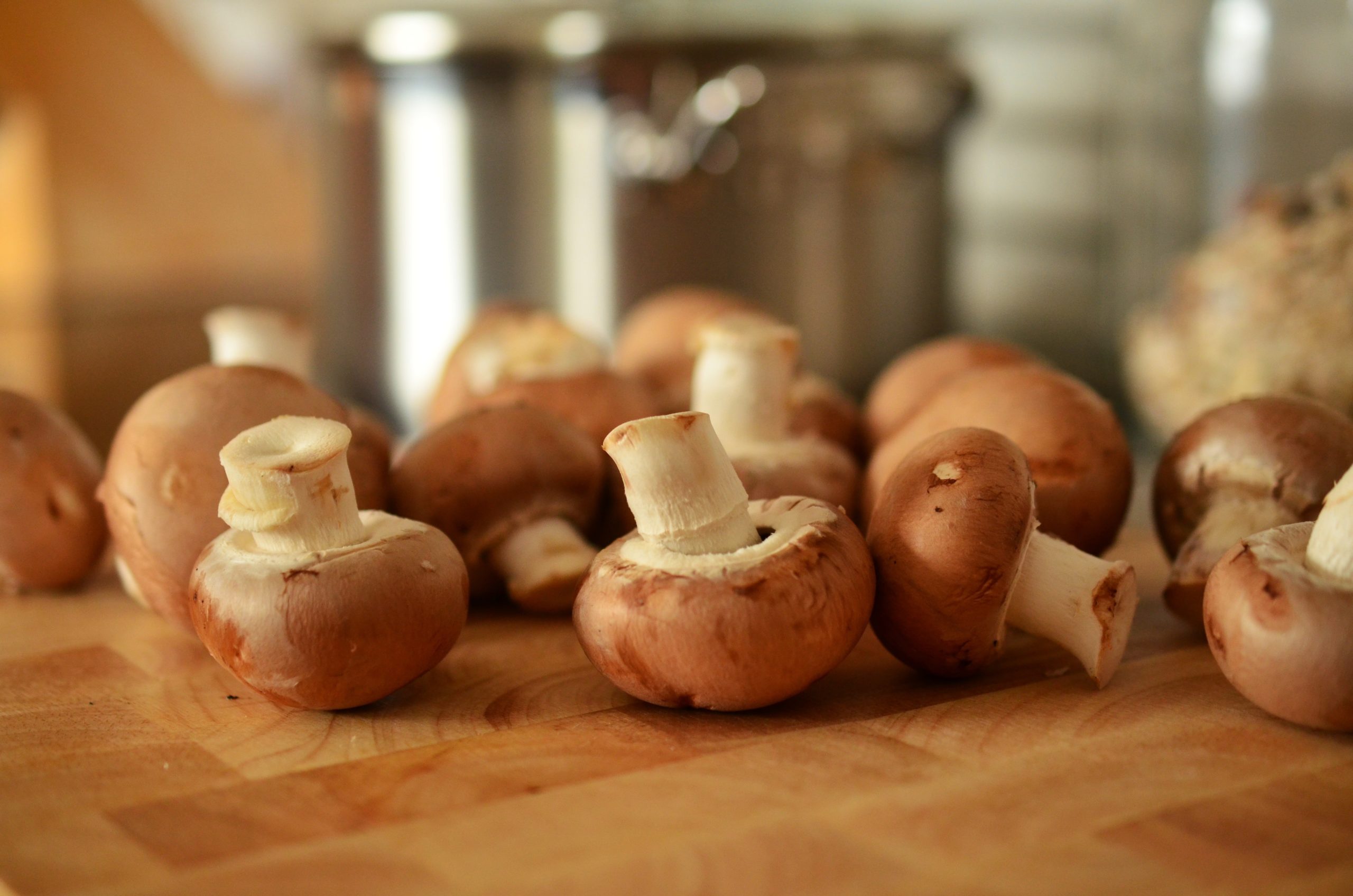
Cremini Mushrooms

Cremini mushrooms are a coffee-colored variety of the world’s most commonly eaten mushroom, commonly called the “button” mushroom. Most of the table mushrooms we eat – “white button,” “cremini (or crimini)” and “portobello” – all refer to this same scientific category of mushroom, Agaricus bisporus. The difference between all of these mushrooms is just age – white button being the youngest and portobello mushrooms the most mature, left to grow out into large meaty caps! 

Cremini mushrooms are between the two varieties, more mature than white button but younger than a portobello. Deeper and earthier in flavor than white buttons, they are used frequently in stews and soups since they hold up better in liquid. Their hearty, full-bodied taste makes them an excellent addition to beef, wild game, and vegetable dishes.

Preparation

Mushrooms are so porous that if they are exposed to too much water, they will quickly absorb it and become soggy. This also means that they are great for marinating. The best way to clean mushrooms without sacrificing their texture and taste is to clean them using minimal, if any, water. To do this, simply wipe them with a slightly damp paper towel or kitchen cloth. You could also use a mushroom brush, available at most kitchenware stores.

If using the whole mushroom in a recipe, simply slice off the very bottom of the stem, which is usually a bit spongy. If your recipe only calls for the caps, gently break off the stems with your hands and discard (or save for making soup stock).

Sauté, broil, microwave or cook these mushrooms in almost any way. Some quick recipe ideas:

  • Sautéed mushrooms and onions
  • Add finely chopped mushrooms to some homemade pasta sauce.
  • Remove the stems, and stuff with your favorite vegetable medley or soft cheese.
  • Mushroom omelet

Farms that grow Mushrooms

  • Small Kine Farm

Recipes

  • Mushroom, Tomato and Onion Saute
  • Tortellini with Mushrooms and Cherry Tomatoes


Pomelo


Two Whole And One Halved Pomelo Fruits

Don’t be intimidated by the pomelo; this super-sized citrus is one of the most under-appreciated products from Oahu’s local farmers. Once you cut through that distinctly thick textured rind, pomelos are like a mild version of grapefruit: they’re sweet, but don’t have the bitter taste of other citrus fruits.

Preparation

The largest citrus fruit, the pomelo tastes like a sweeter, milder grapefruit. Peeling through its thick skin and separating the pinkish-yellow segments from the membrane is a bit time-consuming but well worth it. Use your fingers and a paring knife and let yourself savor a few juicy bites along the way. And save the peel, which is delicious candied or made into marmalade. The fruit is commonly used in salads, cakes, jams, jellies, cocktails or to garnish food dishes.

Pomelo is tasty as is or sprinkled with salt and ground chile—a popular Southeast Asian snack.

In addition to chile, pomelo pairs well with herbs like cilantro, mint, and basil; tropical fruits such as pineapple, coconut, and mango; spring vegetables, including carrots, radishes, and onions; and shellfish like scallops and shrimp.

Look for pale green to yellow fruits that feel firm and heavy for their size. Blemishes are okay, but void soft fruits with dull color, ones that look dried out, or give easily to pressure. Stored in the refrigerator, pomelos can last up to a week.

Farms that grow Pomelo

  • Ironwood Ranch

Recipes

  • Pomelo Couscous
  • Pomelo-Orange Smoothie

Pohole/Warabi/Fiddle Fern

fiddlehead ferns

Hawaiian Pohole Ferns are rich, deep green and produce large fronds that range from three to six feet long. Vibrant green shoots unfurl from the coiled fernhead and are harvested from the interior when they are between 6 and 9 inches tall. This edible fern has a subtlety sweet and nutty flavor with a slightly chewy texture. Its taste has been compared to both okra and asparagus.

Preparation

Carefully wash before preparing, washing away all fine hairs, silt and other debri. Cut off at least the bottom two inches of the stalk, which will be on the not so tender part.

Though some old time recipes call for the shoots to be simply washed and chopped, many home cooks and chefs blanch the just washed shoots in boiling water for 30 seconds to a few minutes, then refresh in a cold bath, rendering the shoots tender and a bright green.

Farms that Grow Pohole

Kākoʻo ʻŌiwi

Recipes

Fiddlehead Ferns and Angel Hair Pasta

Fiddlehead Fern Soup

  • « Previous Page
  • 1
  • …
  • 17
  • 18
  • 19
  • 20
  • 21
  • …
  • 29
  • Next Page »
  • Sign Up
  • This Week’s Newsletter
  • Member Login

Our Mission

Oahu Fresh provides access to food from local farms for homes, offices, restaurants, hotels, and schools throughout Hawaii. As an avid participant in the CSA Hawaii program, we take pride in delivering freshly grown produce to you.

Members

  • Place Your Weekly Order
  • Become A Member
  • Policies & Procedures
  • FAQs

Weekly Newsletter

Be the first to hear what's in each week's delivery. Learn what's new in local food.

OAHU FRESH

916 Kaaahi Place
Honolulu, HI 96817
(808) 476-7550
support@oahufresh.com
Contact Us

Customer Service Hours:                                      Mon – Fri | 9:00AM  – 5:00PM

  • Facebook
  • Instagram
  • Twitter

© 2026 Oahu Fresh | Design by Local Color Design