O‘ahu Fresh

  • Sign Up
  • This Week’s Newsletter
  • Member Login
  • How It Works
    • Produce Bag Options
    • Delivery Areas
    • Online Marketplace
    • Wholesale
    • FAQs
    • Gift Certificates
  • Producers
  • This Week’s Bag
    • Cooking In Quarantine
    • Recipes
    • Ingredients
    • Latest Newsletter
  • About Us
    • Oahu Food Hub
  • Local Agriculture
    • Resources for Farmers
    • Hawaii Food & Farmers Series

Butternut Squash

butternut squash

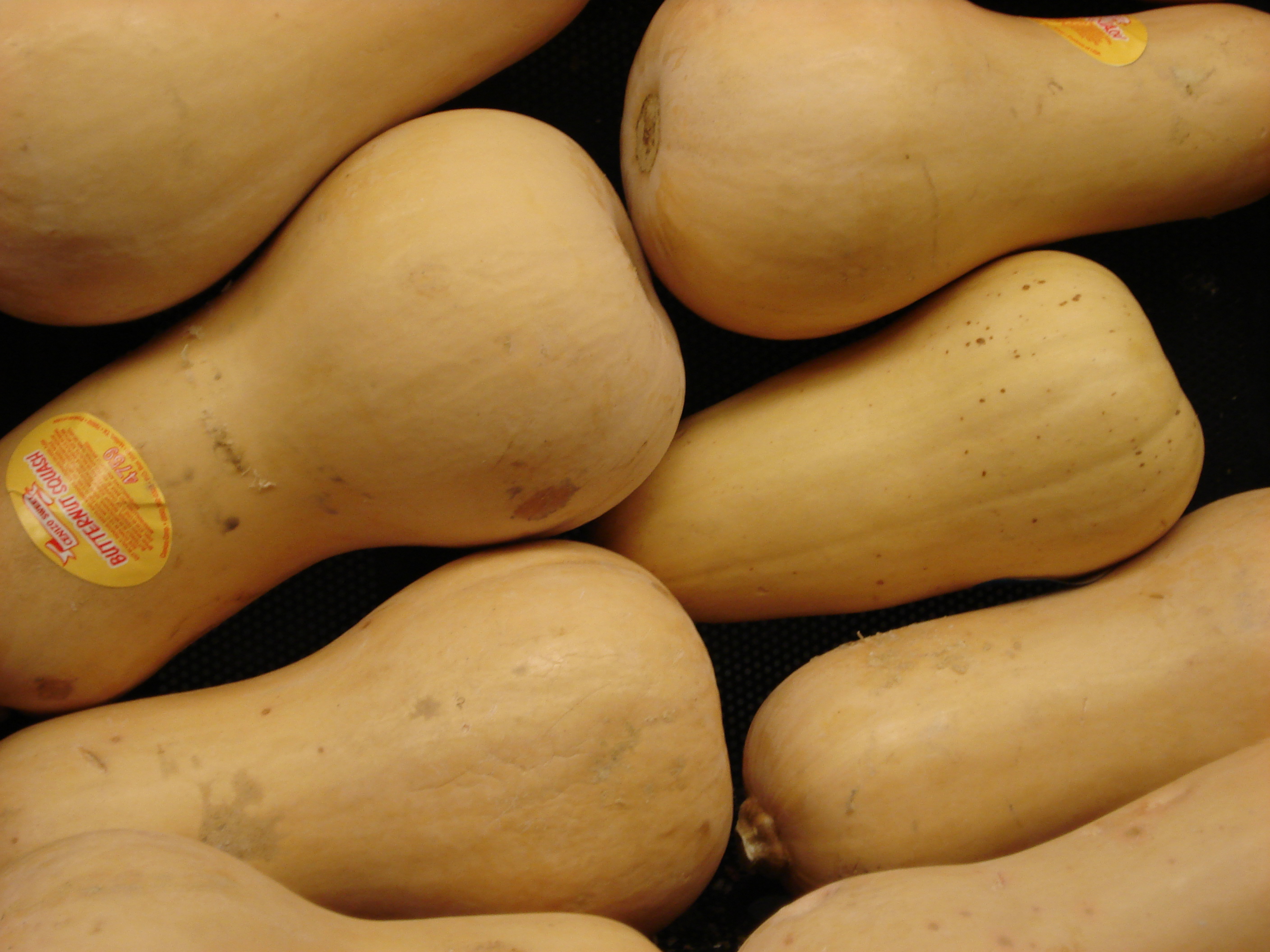
Butternut Squash is typically grown during the winter time on the mainland however grows well during spring time here in Hawaii.  It grows on a vine and tastes similar to pumpkin.  As it gets ripe it gets deeper orange in color and sweet and rich in flavor.  It’s a great source of fiber, vitamin C, A & E, magnesium, and potassium.

Preparation

There are so many ways to enjoy butternut squash.  It is equally delicious as a savory dish or sweet treat.  The fruit is prepared by removing the skin, stalk, and seeds.  However, the seeds are edible, either raw or roasted, and the skin is also edible and softens when roasted. One of the most common ways to prepare butternut squash is roasting. To do this, the squash is cut in half lengthwise, lightly brushed with cooking oil, and placed cut side down on a baking sheet. It is then baked for 45 minutes or until it is softened. Once roasted, it can be eaten in a variety of ways.

Farms that grow Butternut Squash

  • Ho Farms

Recipes

  • Caramelized Butternut Squash
  • Butternut Squash Salad
  • Butternut Squash Soup
  • Butternut Squash & Leek Tortellini

Eggplant

eggplant1

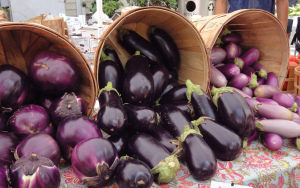
Eggplant is a species of nightshade grown for its edible fruit.

Preparation

Most eggplants can be eaten either with or without their skin. However, the larger ones and those that are white in color generally have tough skins that may not be palatable. To remove skin, you can peel it before cutting or if you are baking it, you can scoop out the flesh once it is cooked.

Farmers that grow Eggplant

  • Ho Farms
  • Kahuku Farms

Recipes

  • Simple Roasted Eggplant
  • Healthy Eggplant Parmesan
  • Eggplant Parmesan

Lemongrass

Lemongrass is widely used as a culinary herb in Asian cuisine and also as medicinal herb in India. It is commonly used in teas, soups, and curries. It is also suitable for use with poultry, fish, beef, and seafood.  Research shows that lemongrass oil has antifungal properties.

Preparation

1. The softer, fleshier, pale yellow part of the lemongrass – which is what you want to use in your cooking – is located under the tough outer leaves. Peel away these layers and discard.

2. Then use a sharp serrated knife to slice off the lower bulb, which includes about 2 inches of the end. Discard.  The stalk is now easy to slice into pieces.  Stop slicing when you have cut two-thirds of the way up the stalk, or when it is no longer yellow. The upper end the stalk will be green and woody, but is still useful in cooking soups and curries.

3. Because lemongrass is so firm and fibrous, it helps to process the slices a little further. Place the lemongrass in a food processor and process well on “high”, or pound for a minute or two with a pestle & mortar. It’s possible to use the lemongrass slices as they are, but the thicker slices will be difficult to eat.

4. Your lemongrass should now appear finer – almost like yellow-green flakes. It is now ready to use in recipes such as curries or soups (note that the lemongrass still needs to cook or be boiled for at least 5 minutes before it is soft enough to be edible).

Storage: Use the lemongrass immediately, or store lemongrass by freezing it in a sealed container in your freezer. With lemongrass, very little is wasted. You can use the upper, reserved stalk to add even more flavor and fragrance to soups and curries. Simply make several cuts along the length of the stalk and bend it several times to “bruise” it. This will release the fragrance and flavor. Now throw the stalk into your soup or curry pot.

Farmers that grow Lemon Grass

  • Ho Farms

Recipes

  • Tom Kha Soup
  • Vietnamese hamburgers
  • Lemongrass chicken

Celery

celery

If you have become accustomed to thinking about celery as a crunchy, low-cal vegetable but not a key part of your health support, it is time to think again. Recent research has greatly bolstered our knowledge about celery’s anti-inflammatory health benefits.  In addition to well-known antioxidants like vitamin C and flavonoids, scientists have now identified at least a dozen other types of antioxidant nutrients in celery.


Preparation

To clean celery, cut off the base and leaves, then wash the leaves and stalks under running water. Cut the stalks into pieces of desired length. If the outside of the celery stalk has fibrous strings, remove them by making a thin cut into one end of the stalk and peeling away the fibers.

Celery should not be kept at room temperature for more than several hours. That’s because warm temperatures will encourage its high water content to evaporate, causing the celery to have have a tendency to wilt too quickly. If you have celery that has wilted, sprinkle it with a little water and place it in the refrigerator for several hours to help it regain some of its crispness.

Farmers that grow Celery

  • Ho Farms

Recipes

  • Add chopped celery to your favorite tuna fish or chicken salad recipe.
  • Enjoy the delicious tradition of eating peanut butter on celery stalks.
  • Use celery leaves in salads.
  • Braise chopped celery, radicchio and onions and serve topped with walnuts and your favorite soft cheese.

Japanese Cucumbers

jap cucumber

Cucumber (Cucumis sativus) is a widely cultivated plant in the gourd family, Cucurbitaceae. The cucumber is originally from Southern Asia and has been cultivated for at least 3,000 years. It was probably introduced to other parts of Europe by the Greeks or Romans. Having an enclosed seed and developing from a flower, botanically speaking, cucumbers are classified as accessory fruits. Cucumbers are more than 95% water.

Cucumber has plenty of vitamin C, vitamin K (mostly in the peel), and potassium.

Preparation

Cucumber is delicious raw.  After washing, slice and eat fresh with skin-on for a healthy snack, or peel and eat on its own, in a salad, or with a dip.

Farmers that grow Japanese Cucumber

  • Ho Farms
  • Pacific Gateway Center

Recipes

  • Use half-inch thick cucumber slices as petite serving “dishes” for chopped vegetable salads.
  • For refreshing cold gazpacho soup that takes five minutes or less to make, simply purée cucumbers, tomatoes, green peppers and onions, then add salt and pepper to taste.
  • Add diced cucumber to tuna fish or chicken salad recipes.
  • Easy Refrigerator Pickles
  • « Previous Page
  • 1
  • …
  • 26
  • 27
  • 28
  • 29
  • Next Page »
  • Sign Up
  • This Week’s Newsletter
  • Member Login

Our Mission

Oahu Fresh provides access to food from local farms for homes, offices, restaurants, hotels, and schools throughout Hawaii. As an avid participant in the CSA Hawaii program, we take pride in delivering freshly grown produce to you.

Members

  • Place Your Weekly Order
  • Become A Member
  • Policies & Procedures
  • FAQs

Weekly Newsletter

Be the first to hear what's in each week's delivery. Learn what's new in local food.

OAHU FRESH

916 Kaaahi Place
Honolulu, HI 96817
(808) 476-7550
support@oahufresh.com
Contact Us

Customer Service Hours:                                      Mon – Fri | 9:00AM  – 5:00PM

  • Facebook
  • Instagram
  • Twitter

© 2026 Oahu Fresh | Design by Local Color Design