Preparation
Farms that grow basil
Recipes
Preparation
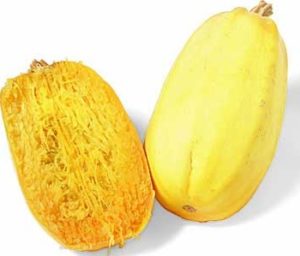
To prepare spaghetti squash, use a spoon to scoop out and discard seeds from the middle of each half. Arrange squash in a 9×13-inch casserole dish, cut sides down. Pour 1/2 cup water into the dish and bake until just tender, 30 to 35 minutes. Rake a fork back and forth across the squash to remove its flesh in strands…like spaghetti!
Farms that grow spaghetti squash
Recipes
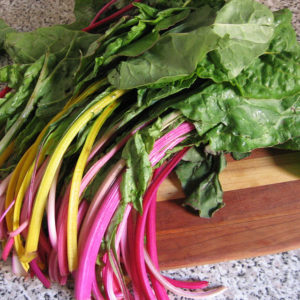
Swiss chard, also known simply as chard, is a beet that is grown for its deep green leaves instead of its root. It’s known for its brightly colored stems of red, yellow, pink, and purple. Swiss chard is highly nutritious and is a good source of several vitamins. It also contains more minerals than most other greens and is very high in fiber.
The leafy greens are extremely high in vitamin K, vitamin A, vitamin C, and antioxidants. This nutrition combo makes for a good dose of healthy digestion, eyes, skin, heart, and immune function. Swiss chard was considered medicine for allergies, constipation, and general pain in ancient times.
Preparation
Farms that grow swiss chard
Recipes
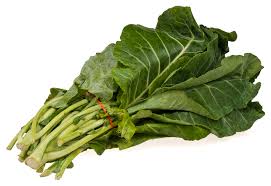
Collards are very nutritious (high in vitamins K, A, and C, as well as calcium, iron and fiber) and have been linked to lowered cholesterol.
Preparation
Remove the stem from the bunch. Use your non-dominant hand to hold the leaves together. With your dominant hand, cut about 1 inch (2.5 cm) from the bottom of the stem, separating the leaves.
Soak the leaves in water. Add a little salt to the water. Salt is abrasive and helps in the process of scrubbing away dirt and impurities. Gently scrub the leaves with your hands and rinse.
Cut out the spine from each leaf. Lay each leaf out flat on the counter. Use a sharp knife to cut along the spine on each side, separating the leaf into two parts and completely removing the spine. Stack the leaves so the flat, cut sides all line up.
Roll the stack of leaves lengthwise. You may need to form several stacks to get tight rolls.
Cut the greens into ribbons. Slice each roll into 1 inch (2.5 cm) pieces. Separate the pieces with your fingers, letting them unravel into long strips.
Farms that grow collard greens
Recipes
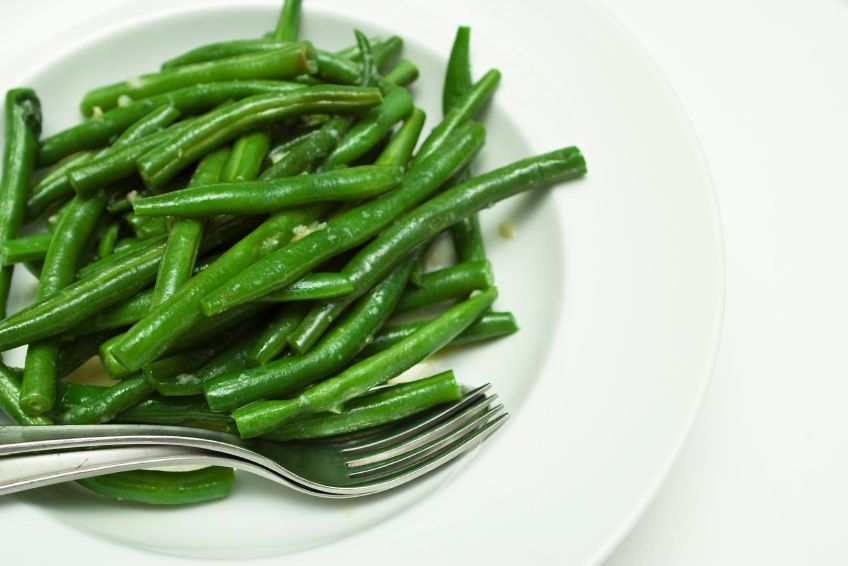
String beans, also known as green beans, make it onto the list of “world’s healthiest foods.” A member of the bean and legume category, these guys provide concentrated amounts of fiber, folate and minerals making them known to lower the risk of chronic diseases, such as type 2 diabetes, high blood pressure and coronary heart disease, among others. They are also a great source of vitamin K, vitamin C, manganese, vitamin B2 and B1, and copper.
Preparation
Most common cooking method is to boil. Always wash produce before cooking and eating. Bring water to a boil and add whole beans, cooking until bright green in color, about 5-7 minutes. The beans should be crisp and tender (al dente). Blanch in ice bath for one minute after cooking. Before eating, trim the stem off, and tail end off as well if preferred.
Farms that grow string beans
Ho Farms