O‘ahu Fresh

  • Sign Up
  • This Week’s Newsletter
  • Member Login
  • How It Works
    • Produce Bag Options
    • Delivery Areas
    • Online Marketplace
    • Wholesale
    • FAQs
    • Gift Certificates
  • Producers
  • This Week’s Bag
    • Cooking In Quarantine
    • Recipes
    • Ingredients
    • Latest Newsletter
  • About Us
    • Oahu Food Hub
  • Local Agriculture
    • Resources for Farmers
    • Hawaii Food & Farmers Series

This Week’s Bag Featuring Lemongrass! – September 17th, 2018

September 17, 2018 by Diane O'Neal

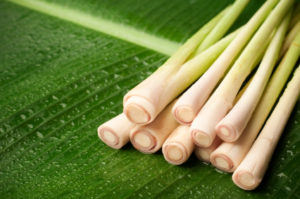
Lemongrass is widely used as a culinary herb in Asian cuisine and also as medicinal herb in India. It is commonly used in teas, soups, and curries. It is also suitable for use with poultry, fish, beef, and seafood.  Research shows that lemongrass oil has antifungal properties.

Preparation

1. The softer, fleshier, pale yellow part of the lemongrass – which is what you want to use in your cooking – is located under the tough outer leaves. Peel away these layers and discard.

2. Then use a sharp serrated knife to slice off the lower bulb, which includes about 2 inches of the end. Discard.  The stalk is now easy to slice into pieces.  Stop slicing when you have cut two-thirds of the way up the stalk, or when it is no longer yellow. The upper end the stalk will be green and woody, but is still useful in cooking soups and curries.

3. Because lemongrass is so firm and fibrous, it helps to process the slices a little further. Place the lemongrass in a food processor and process well on “high”, or pound for a minute or two with a pestle & mortar. It’s possible to use the lemongrass slices as they are, but the thicker slices will be difficult to eat.

4. Your lemongrass should now appear finer – almost like yellow-green flakes. It is now ready to use in recipes such as curries or soups (note that the lemongrass still needs to cook or be boiled for at least 5 minutes before it is soft enough to be edible).

Storage: Use the lemongrass immediately, or store lemongrass by freezing it in a sealed container in your freezer. With lemongrass, very little is wasted. You can use the upper, reserved stalk to add even more flavor and fragrance to soups and curries. Simply make several cuts along the length of the stalk and bend it several times to “bruise” it. This will release the fragrance and flavor. Now throw the stalk into your soup or curry pot.

Farmers that grow Lemon Grass

  • Ho Farms

Recipes

  • Tom Kha Soup
  • Vietnamese hamburgers
  • Lemongrass chicken

What else is in the bag?


Lemon
OK Farms

Lemongrass
Ho Farms

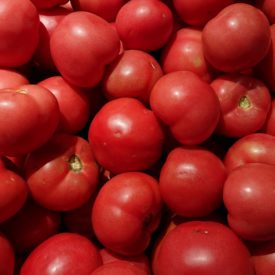
Mixed Tomatoes
Sugarland

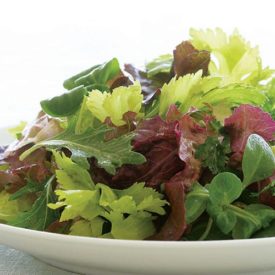
Kolohe Mix
Kahumana Organic Farm & Cafe

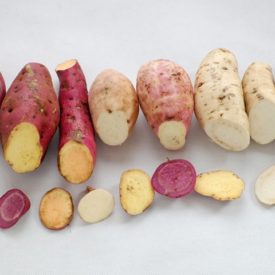
Sweet Potatoes
Twin Bridge Farms

Try out these recipes!
Fresh Lemongrass Tea
Lemongrass Tofu Banh Mi
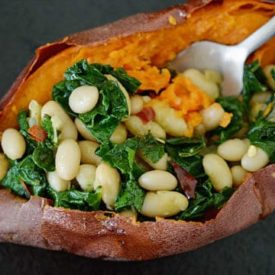
Stuffed Sweet Potatoes with Beans and Greens
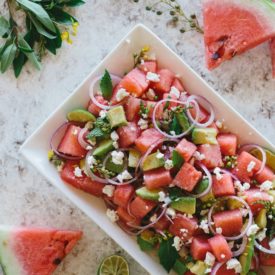
Watermelon, Avocado, Mint and Feta Cheese Salad

Filed Under: This Week's Bag

This Week’s Bag Featuring Roma Tomatoes! – September 10th, 2018

September 10, 2018 by Diane O'Neal

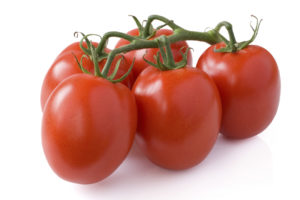
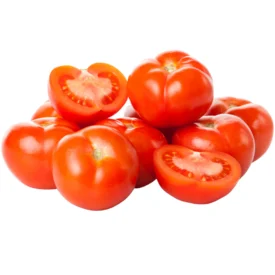
The Roma Tomato is a plum tomato. They can be egg or pear-shaped and are generally a good for canning, sautés and sauces because of their small size and firm, meaty texture. Compared to other tomato varieties, these little guys are great for cooking: they boil down faster, have more flesh, less juice, fewer seeds and have great big sweetness and acid flavor. Smaller plum tomatoes can be closer in size to cherry tomatoes and are sometimes called ‘baby Romas.’ All tomatoes are a great source of phytonutrients, several vitamins and minerals and are known especially for the carotenoid lycopene, which packs a strong antioxidant punch and gives them their red color. The Italians are thought to be the first Western society to adopt the tomato into their diets, and their word for it – pomodoro – means golden apple.

How to prepare Roma Tomatoes:

Roma tomatoes are often used in canning or sauce making. They can be enjoyed raw and eaten as any another tomato. Slicing a roma tomato is best done from the halfs: take each half face-down and anchor them to the cutting surface with your hand. From here, make several vertical slices and let the size be determined by how many slices you want. To create a dice, rotate these slices 90 degrees and slice downward, away from you.

What else is in the bag?


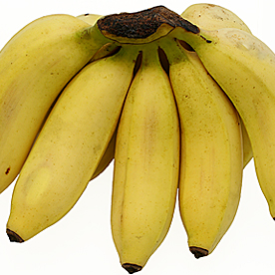
Apple Bananas
Sugarland

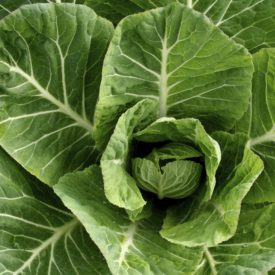
Collard Greens
Ho Farms

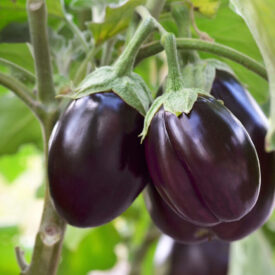
Eggplant
Ho Farms

Kolohe Mix
Kahumana Organic Farm & Cafe

Sweet Potatoes
Twin Bridge Farms

Roma Tomato
Green Grower’s

Try out these recipes!

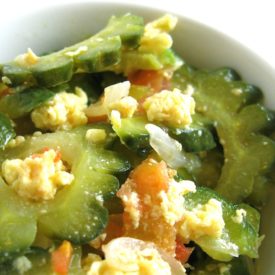
Bitter Melon with Eggs & Tomatoes
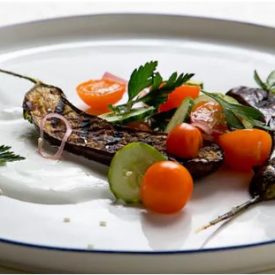
Grilled Spiced Eggplant with Yogurt and Tomato-Cucumber Salad
Sweet Potato Collard Green Stir Fry
Thai Sweet Potato Soup with Lemongrass

Filed Under: This Week's Bag

This Week’s Bag Featuring Papaya! – September 3rd, 2018

September 3, 2018 by Diane O'Neal

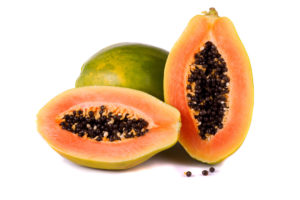
papaya (1)

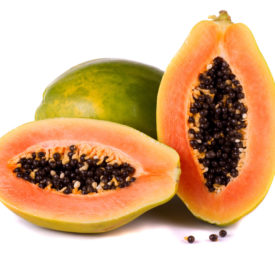
Papaya is native to the tropics of the Americas in the regions of southern Mexico and Central America. The papaya is a tree-like plant that can grow over 30 feet tall. The fruit is a type of berry and when ripe it feels soft and the skin turns an amber to orange hue.

Papaya plants grow in three sexes: male, female, and hermaphrodite. The male produces only pollen, never fruit. The female will produce small, inedible fruits unless pollinated. The hermaphrodite can self-pollinate because its flowers contain both male stamens and female ovaries. As a result almost all commercial papaya orchards contain only hermaphrodite papaya plants.

In 1998, in response to the papaya ringspot virus (PRV) outbreak in Hawaii, genetically altered papaya were approved and brought to market (including ‘SunUp’ and ‘Rainbow’ varieties.) Varieties resistant to PRV have some DNA of this virus incorporated into the DNA of the plant.

Preparation:

Papayas are often eaten raw. The fruit is cut in half and the seeds removed. The flesh can be scooped out or cut into wedges.

Farms that grow papaya:

Kumu Farms

Lokoea Farms

What else is in the bag?


Hapa Eggplant
Ho Farms

Lemon
OK Farms

Kolohe Mix
Kahumana Organic Farm & Cafe

Papaya
Aloun Farms

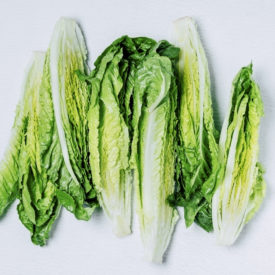
Romaine Lettuce
Sensei Farms

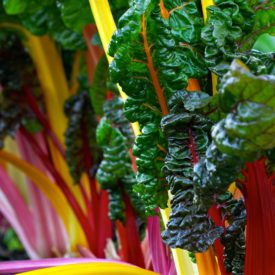
Swiss Chard
Kunia Country Farms

Try out these recipes!
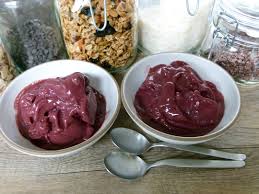
Acai Bowl
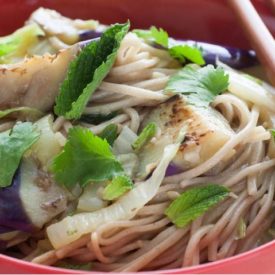
Japanese Eggplant and Soba Noodles
Kale & Eggplant Summer Pasta
Romaine Lettuce Wraps

Filed Under: This Week's Bag

This Week’s Bag Featuring Watermelon! – August 27th, 2018

August 27, 2018 by Diane O'Neal

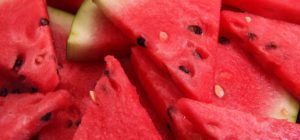
We all know that there is nothing more refreshing than a big, chilled wedge of watermelon on a hot, summer day. But more than being a refreshing treat, watermelon is a rich source of nutrients, vitamins, minerals, and organic compounds. These include significant amounts of vitamin C, calcium, magnesium, fiber, protein, and a very large amount of potassium. Furthermore, they contain vitamin A, vitamin B6, niacin, thiamin, and a wide variety of carotenoids and phytonutrients, including lycopene!

Preparation
Wash, cut and eat! Try cutting watermelon it in half, then into slices. You can also remove the peel and add the sliced fruit to salsas or salads.

Farms that Grow Watermelon
Aloun Farms

What else is in the bag?


Avocados
Ho Farms

Butternut Squash
Ho Farms

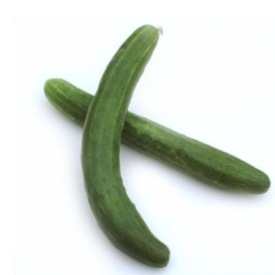
Japanese Cucumbers
Ho Farms

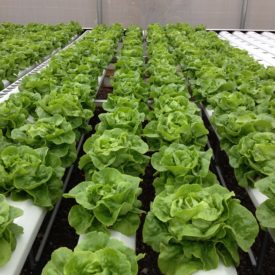
Lettuce
Kunia Country Farms

Kolohe Mix
Kahumana Organic Farm & Cafe

Try out these recipes!
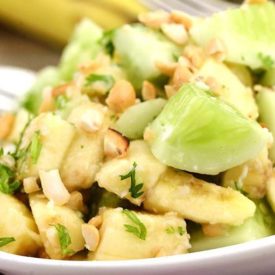
Banana Cucumber Salad
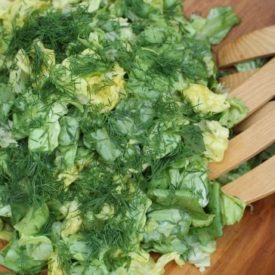
Butter Lettuce, Grilled Watermelon and Fresh Dill Salad
Butternut Squash and Fennel Gratin
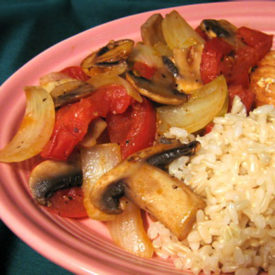
Mushroom, Tomato and Onion Saute

Filed Under: This Week's Bag

This Week’s Bag Featuring Ulu (Breadfruit)! – August 20th, 2018

August 20, 2018 by Diane O'Neal

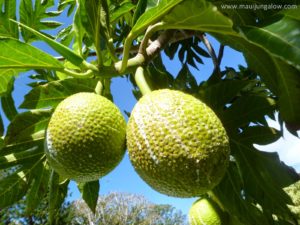
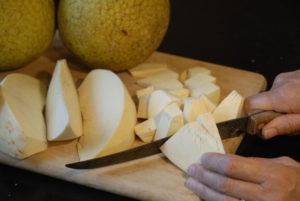
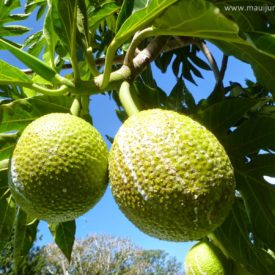
‘Ulu or breadfruit was first domesticated in the western Pacific and today is grown on most Pacific Islands. It continues to be an important staple crop and a component of traditional agroforestry, grown as both a subsistence crop in home gardens and farms. As a dietary staple it is comparable in importance to tropical staples such as taro, plantain, cassava, sweet potato and rice.  The name breadfruit is derived from the texture of ripe fruit when cooked, which is similar to freshly baked bread, though it has a potato like flavor. Ripe fruit have yellow or yellow-brown skin and soft, sweet, creamy flesh that can be eaten raw or cooked. ‘Ulu is a versatile crop and can be eaten at all stages of maturity. The fruit is a good source of dietary fiber, potassium, calcium, and magnesium.

Preparation:

Watch this Cooking ‘Ulu Video !

cooking5


Farms that grow ‘Ulu:

Kualoa Ranch

What else is in the bag?


‘Ulu
Southern Turf

Apple Bananas
Sugarland

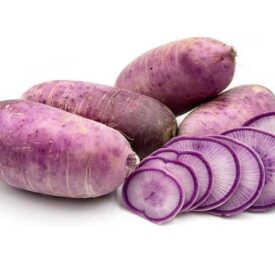
Bravo Radish
Ho Farms

Dragon Fruit
Ho Farms

Eggplant
Ho Farms

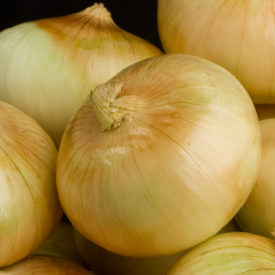
Sweet Onion
Aloun Farms

Try out these recipes!
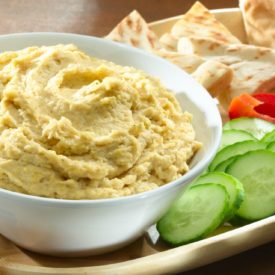
Breadfruit Hummus
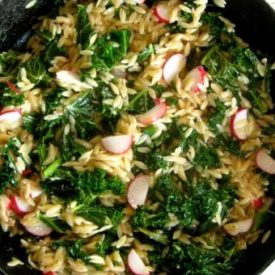
Toasted Orzo with Kale, Feta, and Radishes
Tropical Smoothie
Vegetable-Stuffed Eggplant

Filed Under: This Week's Bag

  • « Previous Page
  • 1
  • …
  • 3
  • 4
  • 5
  • 6
  • 7
  • …
  • 13
  • Next Page »

Our Mission

Oahu Fresh provides access to food from local farms for homes, offices, restaurants, hotels, and schools throughout Hawaii. As an avid participant in the CSA Hawaii program, we take pride in delivering freshly grown produce to you.

Members

  • Place Your Weekly Order
  • Become A Member
  • Policies & Procedures
  • FAQs

Weekly Newsletter

Be the first to hear what's in each week's delivery. Learn what's new in local food.

OAHU FRESH

916 Kaaahi Place
Honolulu, HI 96817
(808) 476-7550
support@oahufresh.com
Contact Us

Customer Service Hours:                                      Mon – Fri | 9:00AM  – 5:00PM

  • Facebook
  • Instagram
  • Twitter

© 2026 Oahu Fresh | Design by Local Color Design