O‘ahu Fresh

  • Sign Up
  • This Week’s Newsletter
  • Member Login
  • How It Works
    • Produce Bag Options
    • Delivery Areas
    • Online Marketplace
    • Wholesale
    • FAQs
    • Gift Certificates
  • Producers
  • This Week’s Bag
    • Cooking In Quarantine
    • Recipes
    • Ingredients
    • Latest Newsletter
  • About Us
    • Oahu Food Hub
  • Local Agriculture
    • Resources for Farmers
    • Hawaii Food & Farmers Series

This Week’s Bag Featuring Eggplant – Week of July 6th

July 6, 2020 by Anna

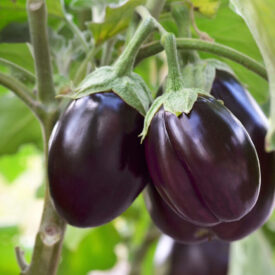
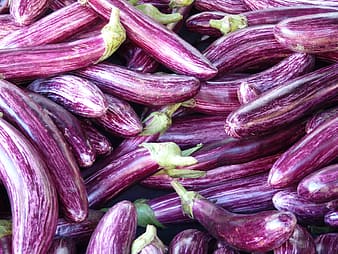
Eggplant is a species of nightshade grown for its edible fruit.

Preparation:

Most eggplants can be eaten either with or without their skin. However, the larger ones and those that are white in color generally have tough skins that may not be palatable. To remove skin, you can peel it before cutting or if you are baking it, you can scoop out the flesh once it is cooked.

Farms that grow Eggplant

Kahuku Farms


What else is in the bag?


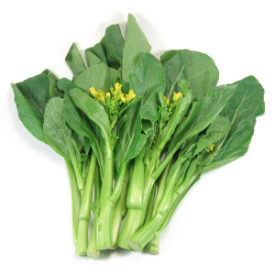
Choy Sum
Aloun Farms

Dragon Fruit
Ho Farms

Eggplant
Ho Farms

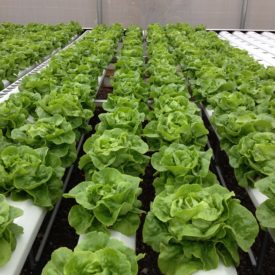
Lettuce
Kunia Country Farms

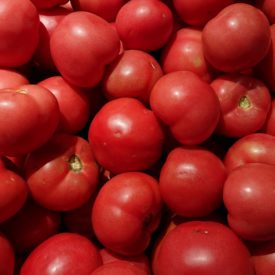
Mixed Tomatoes
Sugarland

Try out these recipes!
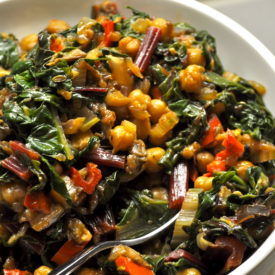
Eggplant Stir-Fry with Greens and Cashews
Kale & Eggplant Summer Pasta
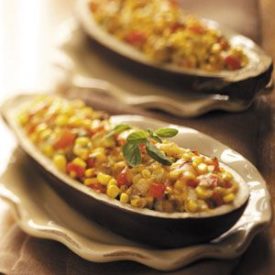
Vegetable-Stuffed Eggplant


Filed Under: This Week's Bag

This Week’s Bag Featuring Mangoes – Week of June 29th

June 29, 2020 by Anna

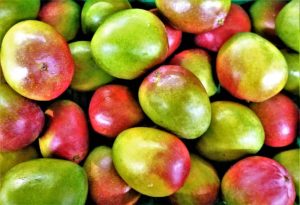
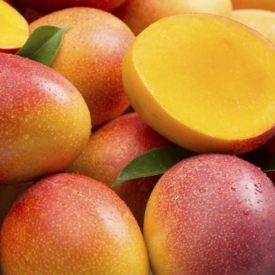
The mango is native to eastern India and Burma. The fruit is now grown around the world in frost-free tropical and subtropical climates. There are hundreds of named cultivars with various shapes, sizes, coloring, and texture. Fruit quality is often based on the scarcity of fiber, size of pit, and taste. Oils in the mango sap, skin, and even leaves can cause dermatitis. Even if one is sensitive to this, a peeled mango or drinking its juice usually causes no harm. Mangoes are high in Vitamin C and fiber and can be eaten in many ways.

Preparation

Mango Dices

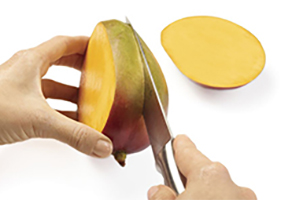
  1. Stand the mango on your cutting board stem end down and hold. Place your knife about 1/4″ from the widest center line and cut down through the mango. Flip the mango around and repeat this cut on the other side. The resulting ovals of mango flesh are known as the “cheeks.” What’s left in the middle is mostly the mango seed.
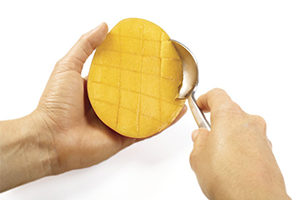
  2. Cut parallel slices into the mango flesh, being careful not to cut through the skin. Turn the mango cheek 1/4 rotation and cut another set of parallel slices to make a checkerboard pattern.
  3. Here’s where you can choose your favorite method. Either “Slice and Scoop”—scoop the mango slices out of the mango skin using a large spoon—or “Inside Out”—turn the scored mango cheek inside out by pushing the skin up from underneath, and scrape the mango chunks off of the skin with a knife or spoon.


Mango Slices

  1. Slice each side just past the seed.
  2. Slice flesh without breaking the skin.
  3. Scoop out slices and enjoy!

Farms that Grow Mangoes
Kahumana Organic Farm

What else is in the bag?


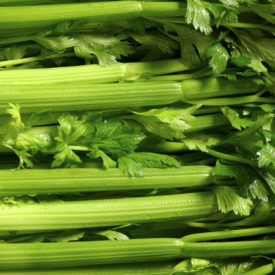
Celery
Ho Farms

Eggplant
Ho Farms

Lettuce
Kunia Country Farms

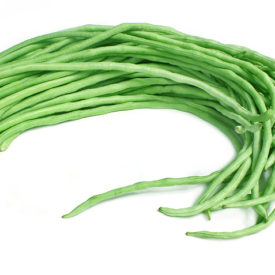
Long Beans
Ho Farms

Mango
Mana Olana

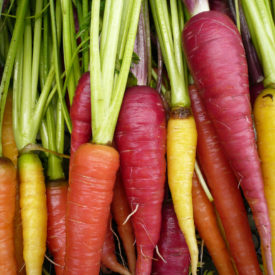
Mixed Carrots
Twin Bridge Farms

Try out these recipes!
Eggplant Stir-Fry with Greens and Cashews
Quinoa and Mango Salad with Lemony-Ginger Dressing
Warm Eggplant, Collard and Corn Salad

Filed Under: This Week's Bag

This Week’s Bag Featuring Beets – Week of June 22nd

June 22, 2020 by Anna

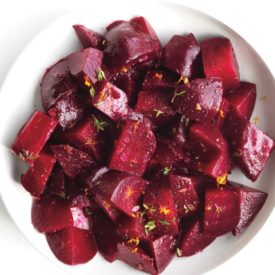
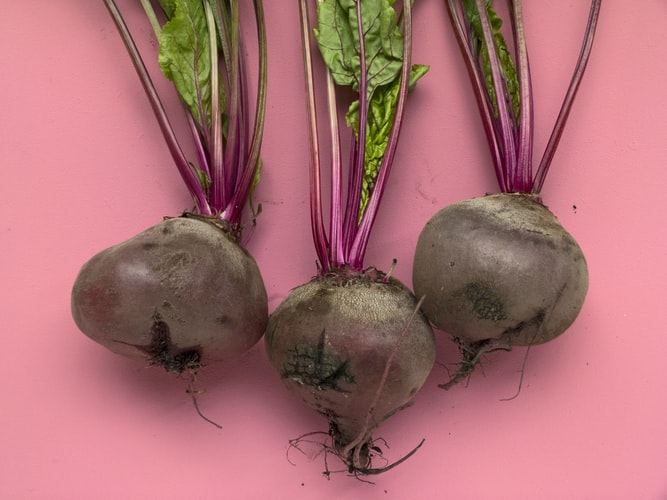
Beets are the beetroot, or the taproot portion of the beet plant. Usually beets are deep purple, golden, or red, though many varieties exist. The pigments that give beets their rich colors are called betalains. Other than as a food, beets are uses as a food coloring, dye, and for medicinal purposes.

How to eat Beets:

Beets are often eaten boiled, roasted, pickled or raw. They can be added to salads, eaten as side dish or made into soups, among many other recipes. The green, leafy portion of the beet is also edible.

Farms that grow Beets:

Counter Culture

What else is in the bag?


Beets
Ahiki Acres

Green Onion
Aloun Farms

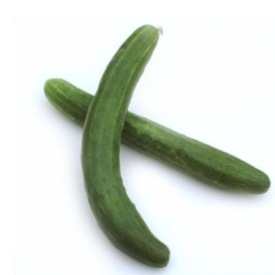
Japanese Cucumbers
Ho Farms

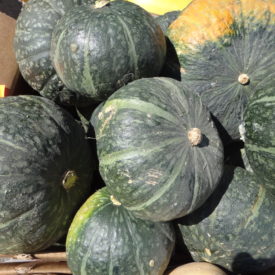
Kabocha
Aloun Farms

Lettuce
Kunia Country Farms

Mango
Mana Olana


Recipes: 

Quinoa and Mango Salad with Lemony-Ginger Dressing
Roasted Beets
Sautéed Beets With Pasta, Sage and Brown Butter


Filed Under: This Week's Bag

This Week’s Bag Featuring Butternut Squash – Week of June 15th

June 15, 2020 by Anna

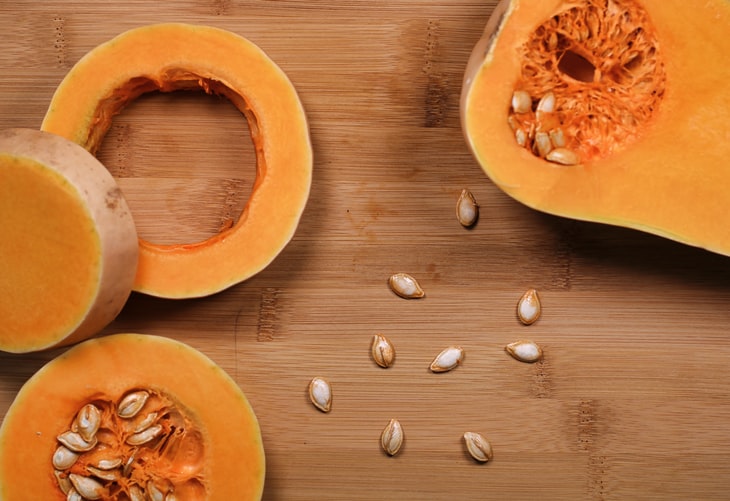
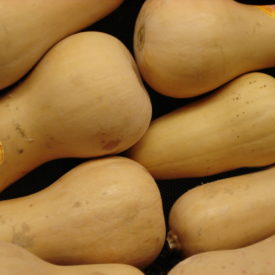
Butternut Squash is typically grown during the winter time on the mainland however grows well during spring time here in Hawaii.  It grows on a vine and tastes similar to pumpkin.  As it gets ripe it gets deeper orange in color and sweet and rich in flavor.  It’s a great source of fiber, vitamin C, A & E, magnesium, and potassium.

Preparation

There are so many ways to enjoy butternut squash.  It is equally delicious as a savory dish or sweet treat.  The fruit is prepared by removing the skin, stalk, and seeds.  However, the seeds are edible, either raw or roasted, and the skin is also edible and softens when roasted. One of the most common ways to prepare butternut squash is roasting. To do this, the squash is cut in half lengthwise, lightly brushed with cooking oil, and placed cut side down on a baking sheet. It is then baked for 45 minutes or until it is softened. Once roasted, it can be eaten in a variety of ways.

Farms that grow Butternut Squash

Ho Farms

What else in the bag?


Butternut Squash
Ho Farms

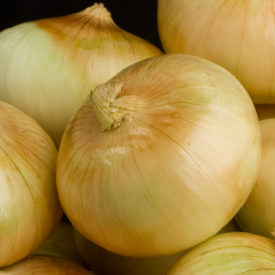
Sweet Onion
Aloun Farms

Lemongrass
Ho Farms

Lettuce
Kunia Country Farms

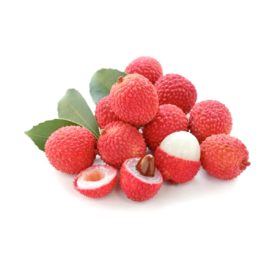
Lychee
OK Farms

Mixed Tomatoes
Sugarland

Try out these recipes!
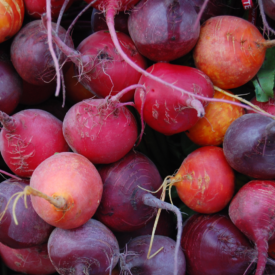
Butternut Squash Quinoa Casserole
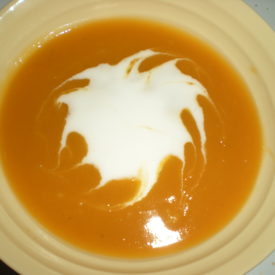
Butternut Squash Soup with Lemon Grass
Lemongrass Tofu Banh Mi

Filed Under: This Week's Bag

This Week’s Bag Featuring Mushrooms – Week of June 8th

June 8, 2020 by Anna

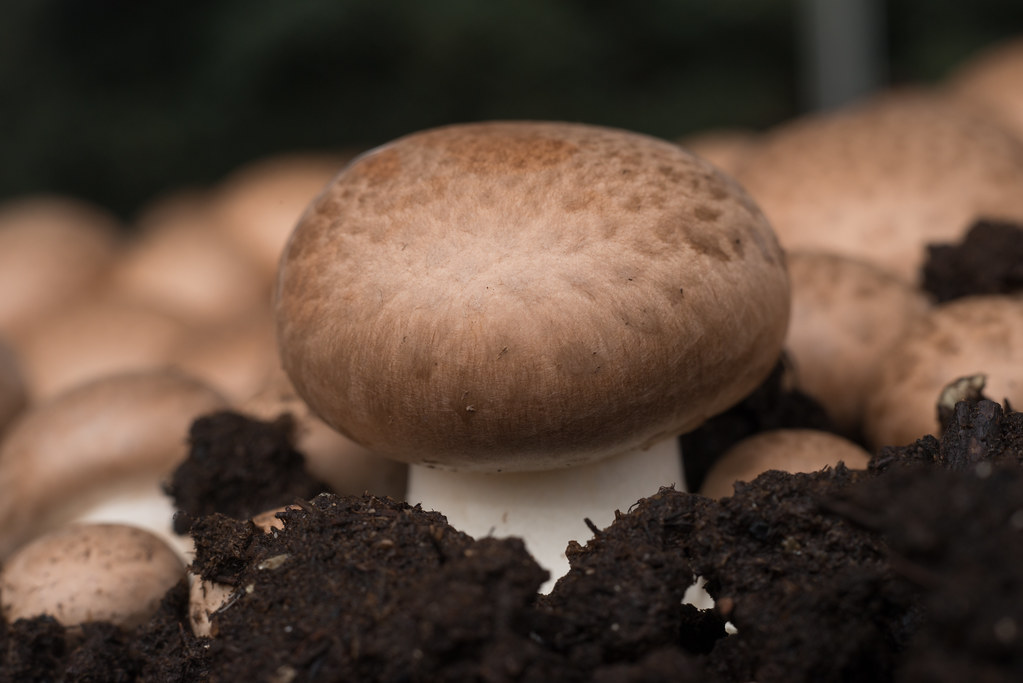
Mushrooms are a coffee-colored variety of the world’s most commonly eaten mushroom, commonly called the “button” mushroom. The names “white button,” “crimini” and “portobello” all refer to this same scientific category of mushroom, Agaricus bisporus. Button mushrooms have grown wild since prehistoric times, having been consumed as food by the early hunter-gatherers. Cultivation most likely began in Asia, involving cultivation in China, Japan, and India. China is currently the world’s largest commercial producer of mushrooms, followed by Europe and then the United States. Within the U.S., about 70% of all mushrooms are grown on the east coast, with the state of Pennsylvania having the highest U.S. yields.

Preparation

Mushrooms are so porous that if they are exposed to too much water, they will quickly absorb it and become soggy. Therefore, the best way to clean mushrooms without sacrificing their texture and taste is to clean them using minimal, if any, water. To do this, simply wipe them with a slightly damp paper towel or kitchen cloth. You could also use a mushroom brush, available at most kitchenware stores.

If using the whole mushroom in a recipe, simply slice off the very bottom of the stem, which is usually a bit spongy. If your recipe only calls for the caps, gently break off the stems with your hands and discard (or save for making soup stock).

Some quick recipe ideas:

  • Sautéed mushrooms and onions
  • Add finely chopped mushrooms to some homemade pasta sauce.
  • Remove the stems, and stuff with your favorite vegetable medley or soft cheese.
  • Mushroom omelet

Farms that grow Mushrooms

Small Kine Farm

Learn more about Mushrooms

Fantastic Fungi documentary

What else is in the bag?


Asian Greens
Kahumana Organic Farm & Cafe

Cremini Mushrooms
Small Kine Farm

Lettuce
Kunia Country Farms

Mini Cucumbers
Kahumana Organic Farm & Cafe

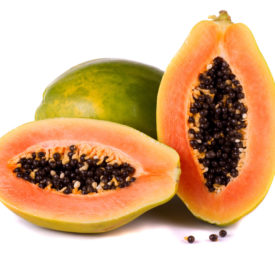
Papaya
Kahumana Organic Farm & Cafe

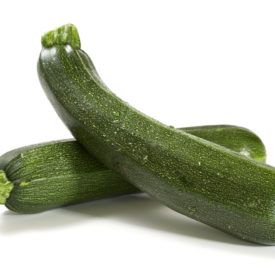
Zucchini
Aloun Farms

Try out these recipes!
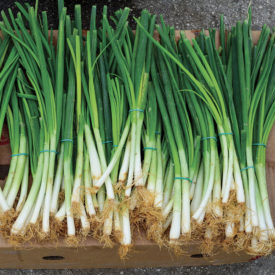
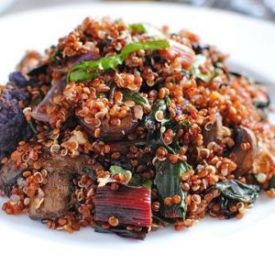
Quinoa with Chard and Mushrooms
Simple Stir-Fry with Tofu and Greens

Filed Under: This Week's Bag

  • « Previous Page
  • 1
  • …
  • 14
  • 15
  • 16
  • 17
  • 18
  • Next Page »

Our Mission

Oahu Fresh provides access to food from local farms for homes, offices, restaurants, hotels, and schools throughout Hawaii. As an avid participant in the CSA Hawaii program, we take pride in delivering freshly grown produce to you.

Members

  • Place Your Weekly Order
  • Become A Member
  • Policies & Procedures
  • FAQs

Weekly Newsletter

Be the first to hear what's in each week's delivery. Learn what's new in local food.

OAHU FRESH

916 Kaaahi Place
Honolulu, HI 96817
(808) 476-7550
support@oahufresh.com
Contact Us

Customer Service Hours:                                      Mon – Fri | 9:00AM  – 5:00PM

  • Facebook
  • Instagram
  • Twitter

© 2026 Oahu Fresh | Design by Local Color Design