O‘ahu Fresh

  • Sign Up
  • This Week’s Newsletter
  • Member Login
  • How It Works
    • Produce Bag Options
    • Delivery Areas
    • Online Marketplace
    • Wholesale
    • FAQs
    • Gift Certificates
  • Producers
  • This Week’s Bag
    • Cooking In Quarantine
    • Recipes
    • Ingredients
    • Latest Newsletter
  • About Us
    • Oahu Food Hub
  • Local Agriculture
    • Resources for Farmers
    • Hawaii Food & Farmers Series

This Week’s Bag Featuring Dragonfruit – Week of September 14th

September 14, 2020 by Anna

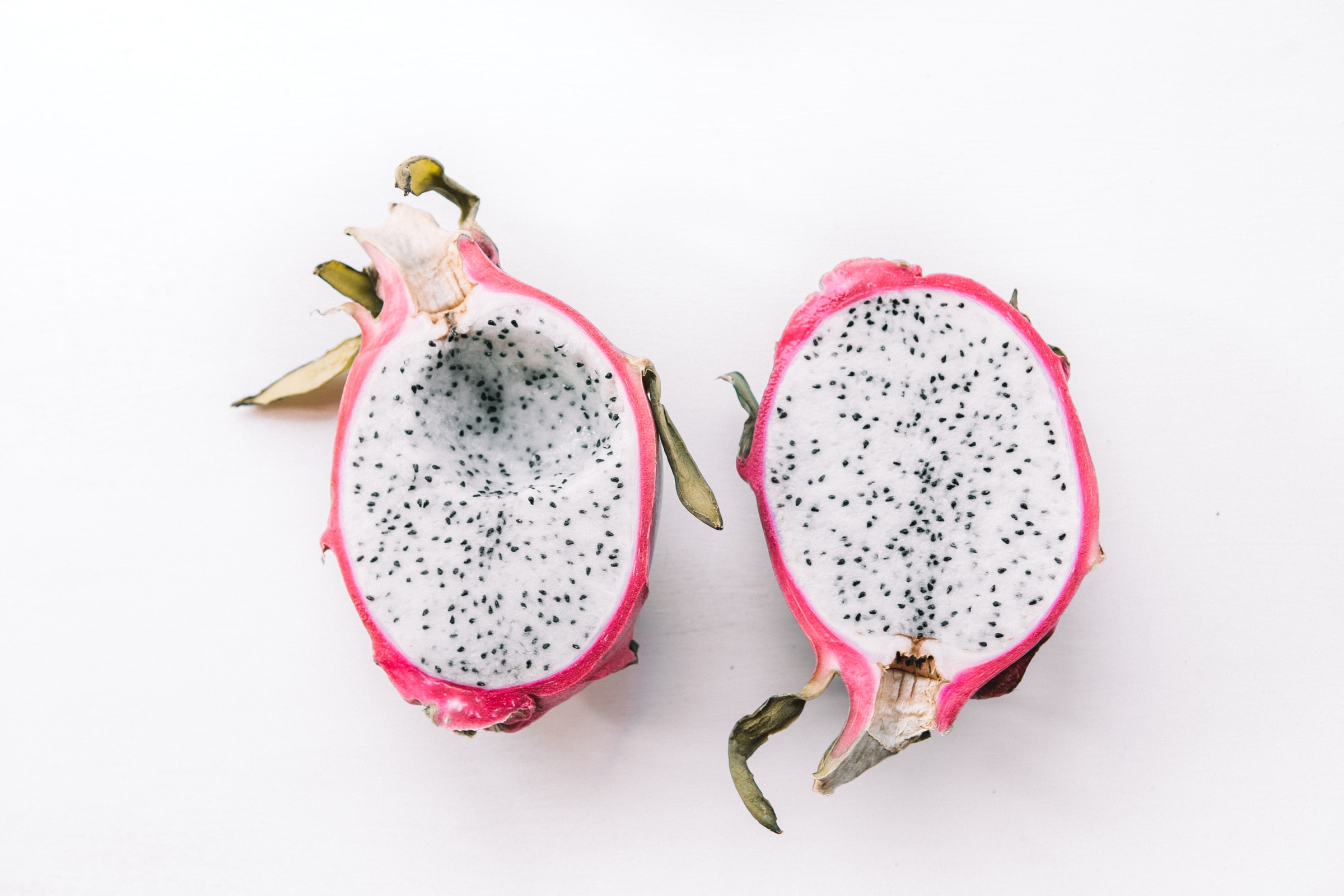
Dragon Fruit, also called Pitaya, is indigenous to the Americas. Today the cactus vine is grown around the world in sub-tropical areas for its beautiful fruits. The fruit’s texture is often compared to the kiwifruit because of it’s small, black, crunchy seeds. The taste of dragon fruit is sometimes described as bland though it is refreshing and mildly sweet. It has versatile uses in deserts, smoothies, sorbets, salads and as a fresh fruit.
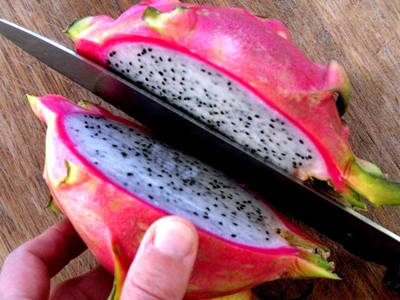
Dragonfruit slices easily

Preparation:

The fruit can be sliced lengthwise and the flesh scooped out or it can be quartered and the leathery skin can be peeled back. Eat only the flesh, not the peel which is bitter.

What else is in the bag?


Dragon Fruit
Ho Farms

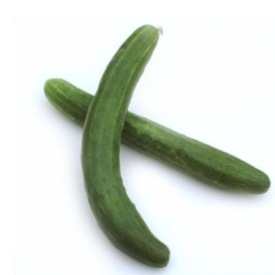
Japanese Cucumbers
Ho Farms

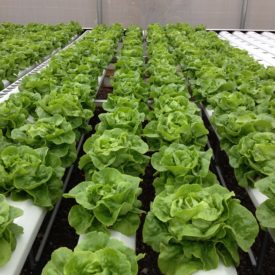
Lettuce
Kunia Country Farms

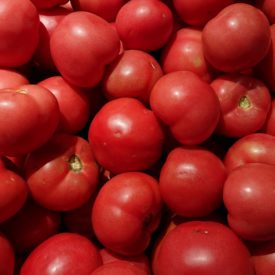
Mixed Tomatoes
Sugarland

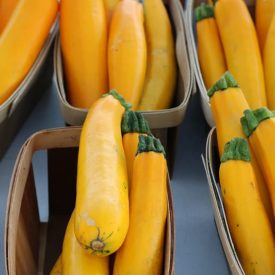
Yellow Zucchini
Ma’alae’a Farms

Try out these recipes!
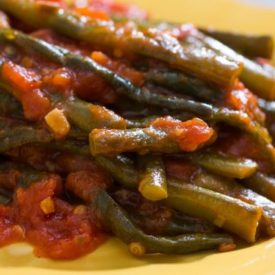
Braised Long Beans With Tomatoes
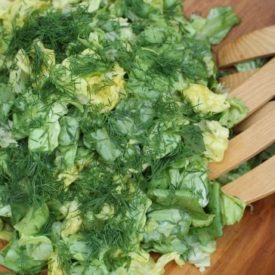
Butter Lettuce, Grilled Watermelon and Fresh Dill Salad
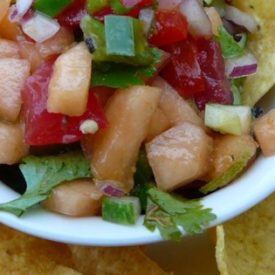
Cucumber Melon Salsa
Dragon Fruit Smoothie

Filed Under: This Week's Bag

This Week’s Bag Featuring Cantaloupe- Week of September 7th

September 7, 2020 by Anna

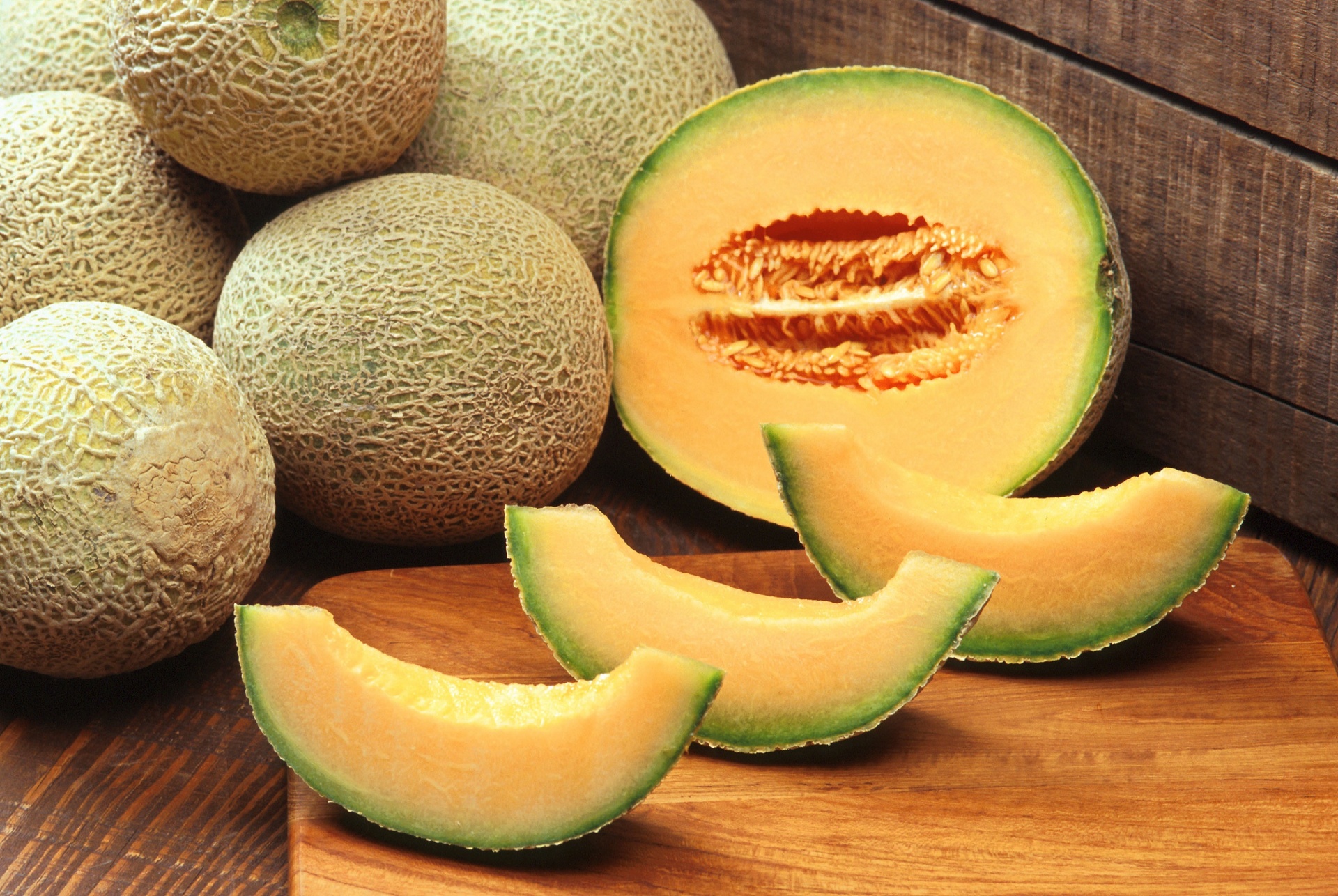
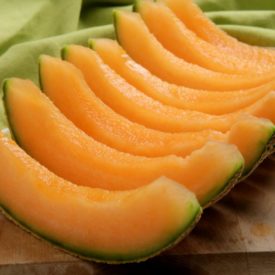
Cantaloupe,fruit,ripe,cut,garden - free image from needpix.com

Cantaloupe is a part of the Cucurbitaceae family, along with honeydew melons, watermelons, and cucumbers. Other names for cantaloupe include muskmelon, mush melon, rock melon, and Persian melon.

Not only does cantaloupe make an easy, refreshing summer snack, but promotes health as a source of vitamins, minerals, and antioxidants. Their high water content and fiber helps prevent dehydration and constipation. Cantaloupe is a rich source of Vitamin A and C. Vitamin A contributes to the growth and maintenance of all tissues in the body, including those in the skin and hair. Vitamin C enables the body to produce collagen, which provides structure to cells, skin, and hair.

What else is in the bag?


Cantaloupe
Aloun Farms

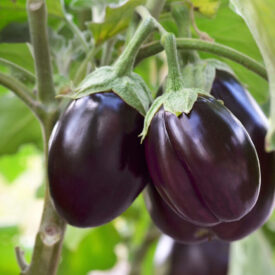
Eggplant
Ho Farms

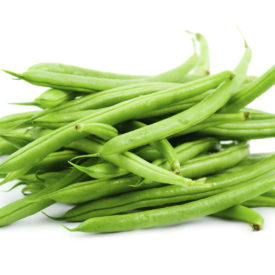
Green Beans
Aloun Farms

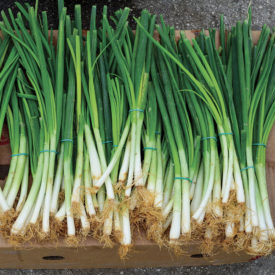
Green Onion
Aloun Farms

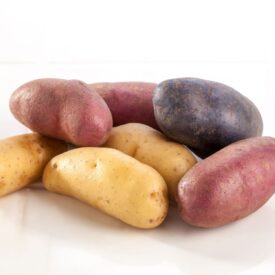
Mixed Potatoes
Twin Bridge Farms

Mixed Tomatoes
Sugarland

Try out these recipes!

Dijon and Dill Potato Salad
Eggplant Rounds with Hummus and Tomatoes
Green Onion Deviled Eggs
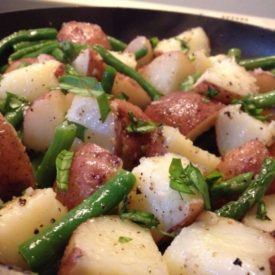
Red Potatoes & String Beans Saute

Filed Under: This Week's Bag

This Week’s Bag Featuring Honeydew- Week of August 31st

August 31, 2020 by Anna

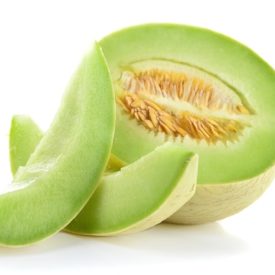
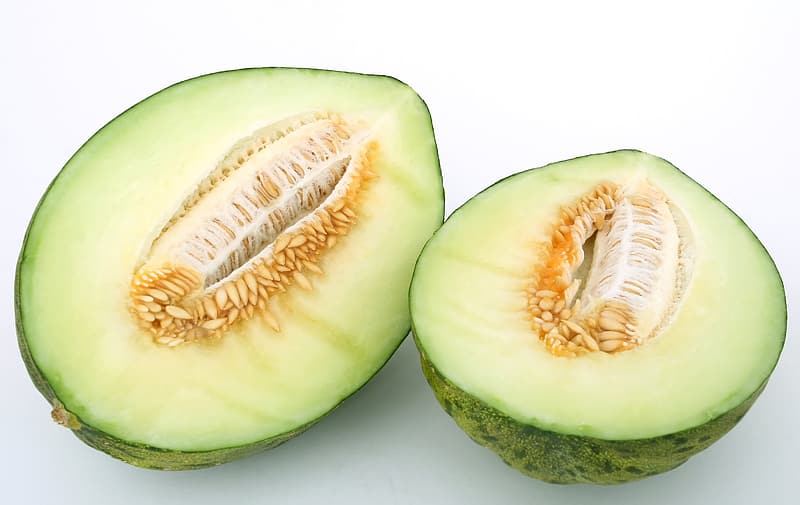
Honeydew, not dissimilar to cantaloupe, is a melon family fruit and is typically pale green, with sweet and juicy flesh. Per half cup, it only has 60 calories, yet these little guys are packed with tons of vitamins and minerals including copper, potassium, B and C vitamins, and a mentionable source of fiber, with 1.4g per serving.

Preparation

Cut in half with a chef’s knife or other utensil. Scoop out the interior seeds, slice into wedges and remove the rinds. Can serve as wedges or cut up into smaller cubes.

Farms that Grow Honeydew

  • Aloun Farms

What else is in the bag?


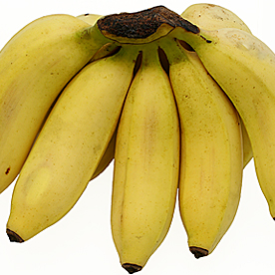
Apple Bananas
Sugarland

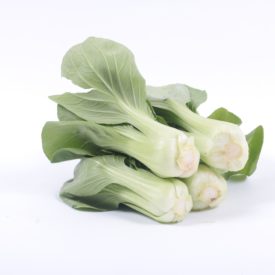
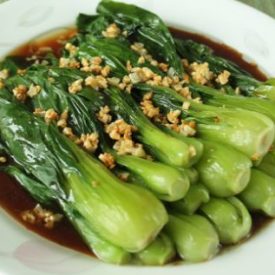
Bok Choy
Ho Farms

Honeydew Melon
Aloun Farms

Japanese Cucumbers
Ho Farms

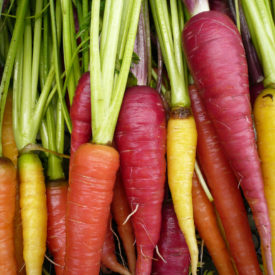
Mixed Carrots
Twin Bridge Farms

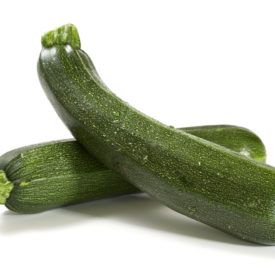
Zucchini
Aloun Farms

Try out these recipes!
Baked Zucchini Fries
Bok Choy Stir Fry with Garlic and Ginger
Cucumber Melon Salsa
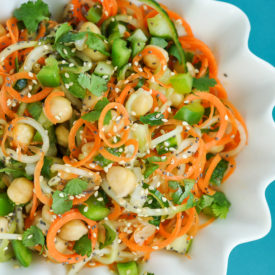
Sweet and Sour Thai Carrot and Cucumber Noodle Salad


Filed Under: This Week's Bag

This Week’s Bag Featuring Round Eggplant – Week of August 24th

August 24, 2020 by Anna

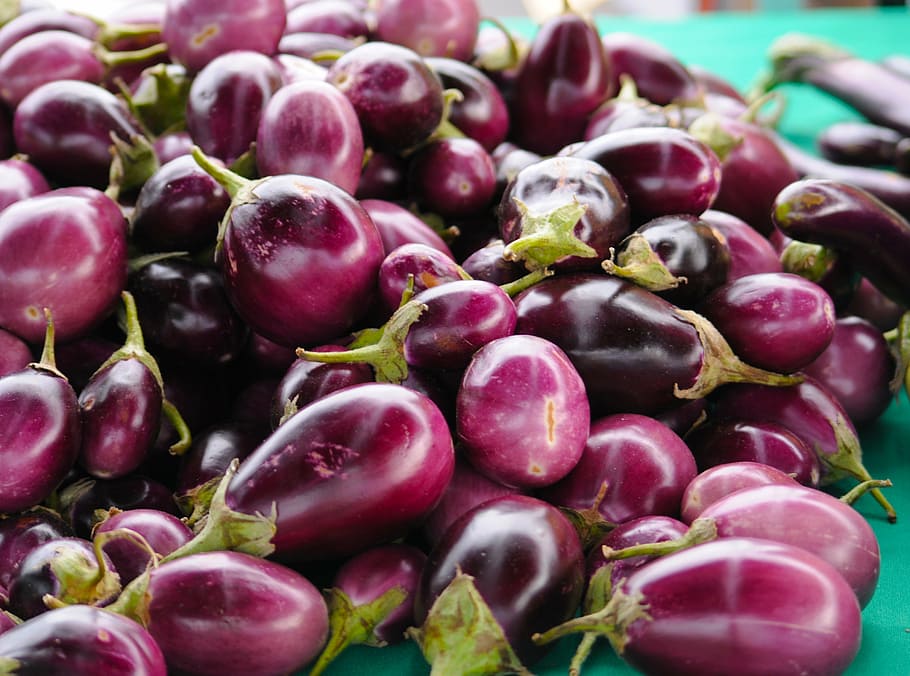
Eggplant is a species of nightshade grown for its edible fruit.

Preparation

Most eggplants can be eaten either with or without their skin. However, the larger ones and those that are white in color generally have tough skins that may not be palatable. To remove skin, you can peel it before cutting or if you are baking it, you can scoop out the flesh once it is cooked.

Farmers that grow Eggplant

  • Ho Farms

  • Kahuku Farms

What else is in the bag?


Eggplant
Ho Farms

Green Beans
Aloun Farms

Green Onion
Aloun Farms

Lemon
OK Farms

Pineapple
Maui Gold Pineapple Company

Mixed Tomatoes
Sugarland

Try out these recipes!
Roasted Eggplant and Mushrooms
Vegetable-Stuffed Eggplant
Warm Eggplant, Collard and Corn Salad

Filed Under: This Week's Bag

This Week’s Bag Featuring Lemongrass – Week of August 17th

August 17, 2020 by Anna

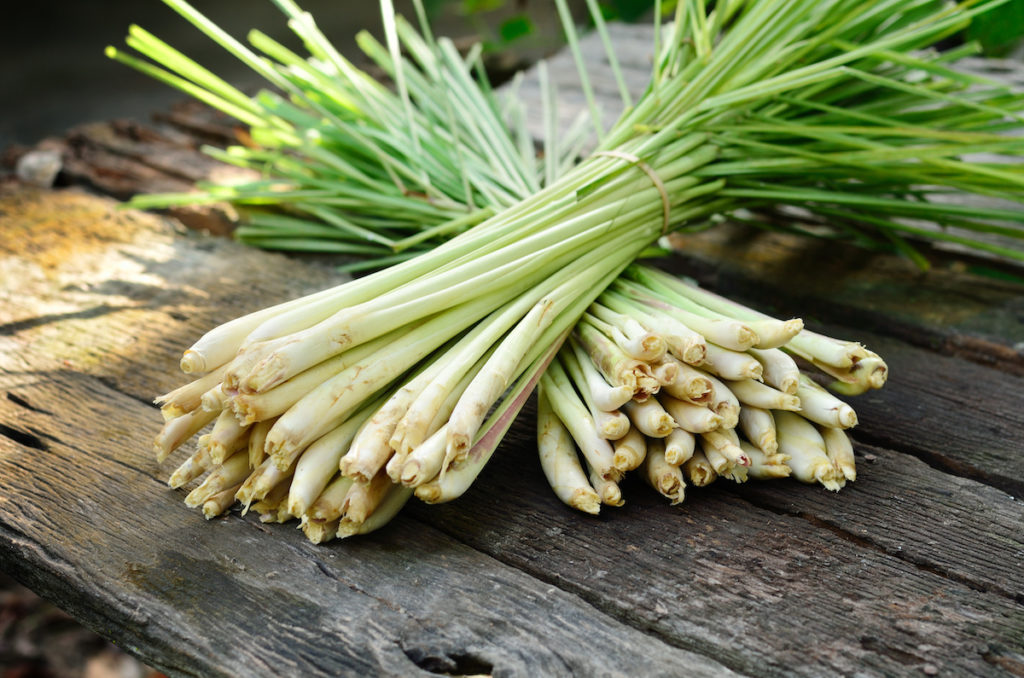
Lemongrass is widely used as a culinary herb in Asian cuisine and also as medicinal herb in India. It is commonly used in teas, soups, and curries. It is also suitable for use with poultry, fish, beef, and seafood.  Research shows that lemongrass oil has anti-fungal properties.

Preparation

1. The softer, fleshier, pale yellow part of the lemongrass – which is what you want to use in your cooking – is located under the tough outer leaves. Peel away these layers and discard.

2. Then use a sharp serrated knife to slice off the lower bulb, which includes about 2 inches of the end. Discard.  The stalk is now easy to slice into pieces.  Stop slicing when you have cut two-thirds of the way up the stalk, or when it is no longer yellow. The upper end the stalk will be green and woody, but is still useful in cooking soups and curries.

3. Because lemongrass is so firm and fibrous, it helps to process the slices a little further. Place the lemongrass in a food processor and process well on “high”, or pound for a minute or two with a pestle & mortar. It’s possible to use the lemongrass slices as they are, but the thicker slices will be difficult to eat.

4. Your lemongrass should now appear finer – almost like yellow-green flakes. It is now ready to use in recipes such as curries or soups (note that the lemongrass still needs to cook or be boiled for at least 5 minutes before it is soft enough to be edible).

Storage: Use the lemongrass immediately, or store lemongrass by freezing it in a sealed container in your freezer. With lemongrass, very little is wasted. You can use the upper, reserved stalk to add even more flavor and fragrance to soups and curries. Simply make several cuts along the length of the stalk and bend it several times to “bruise” it. This will release the fragrance and flavor. Now throw the stalk into your soup or curry pot.

Farmers that grow Lemon Grass

  • Ho Farms

What else is in the bag?


Bok Choy
Ho Farms

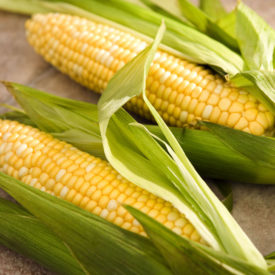
Sweet Corn
Aloun Farms

Dragon Fruit
Ho Farms

Japanese Cucumbers
Ho Farms

Lemongrass
Ho Farms

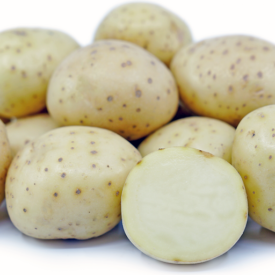
White Potatoes
Twin Bridge Farms

Try out these recipes!
Fresh Lemongrass Tea
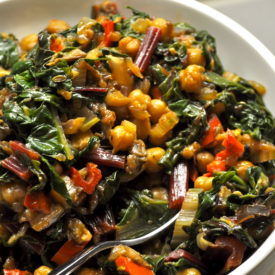
Lemongrass and Ginger Egg Drop Soup with Swiss Chard and Portobellos
Lemongrass Chicken
Thai Sweet Potato Soup with Lemongrass

Filed Under: This Week's Bag

  • « Previous Page
  • 1
  • …
  • 12
  • 13
  • 14
  • 15
  • 16
  • …
  • 18
  • Next Page »

Our Mission

Oahu Fresh provides access to food from local farms for homes, offices, restaurants, hotels, and schools throughout Hawaii. As an avid participant in the CSA Hawaii program, we take pride in delivering freshly grown produce to you.

Members

  • Place Your Weekly Order
  • Become A Member
  • Policies & Procedures
  • FAQs

Weekly Newsletter

Be the first to hear what's in each week's delivery. Learn what's new in local food.

OAHU FRESH

916 Kaaahi Place
Honolulu, HI 96817
(808) 476-7550
support@oahufresh.com
Contact Us

Customer Service Hours:                                      Mon – Fri | 9:00AM  – 5:00PM

  • Facebook
  • Instagram
  • Twitter

© 2026 Oahu Fresh | Design by Local Color Design